
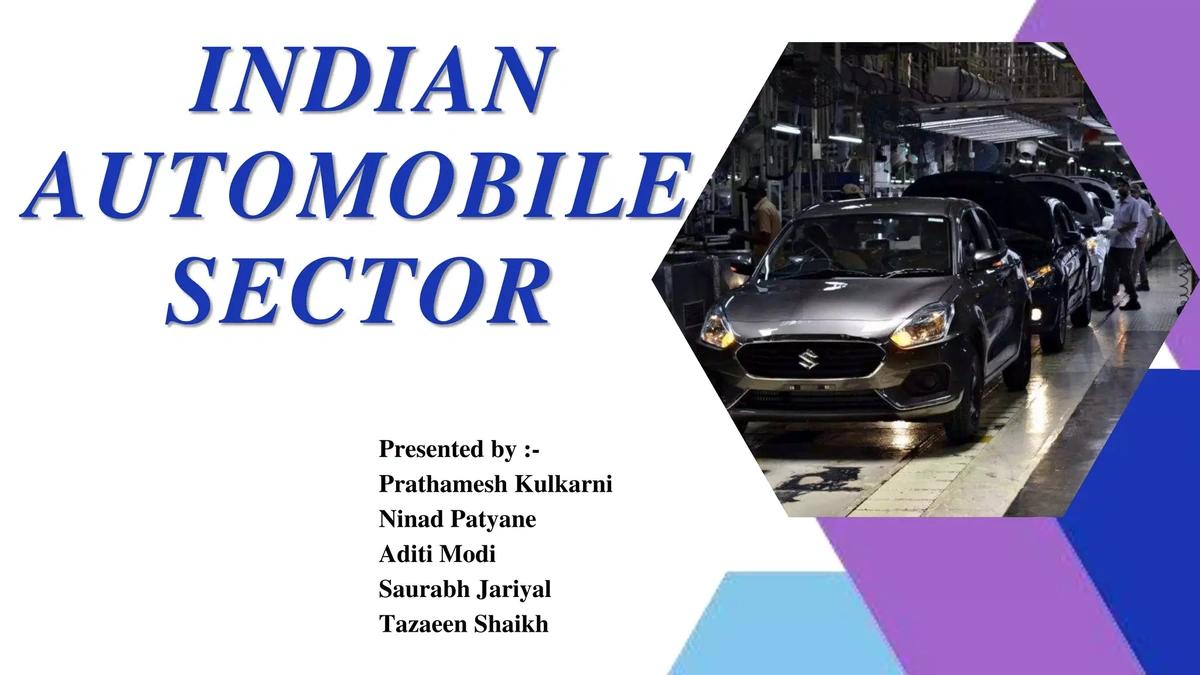
Here’s the thing: GST, or the Goods and Services Tax, often feels like this abstract thing that economists and policymakers debate. But what fascinates me is how it trickles down and impacts everyday industries – like, say, the automobile sector . I initially thought understanding the impact of GST on automobiles would be straightforward. But, after digging in, I realized there are some nuances that can significantly affect the industry. Let’s get into it.
The GST Effect | A Boon for Cars and Bikes?
So, how exactly do GST reforms help? Well, before GST, the Indian auto industry faced a complex web of taxes. We’re talking excise duty, VAT, sales tax – a whole bunch of things that added to the final cost. GST streamlined this by creating a single, unified tax. But, there is more to this. The consolidation of taxes had an immediate impact on vehicle pricing. With the cascading effect of taxes reduced, manufacturers could offer vehicles at more competitive prices. This led to increased affordability, boosting demand and sales across various segments within the industry.
And what does it mean? A simpler tax structure reduces the overall tax burden. What’s more, it allows companies to claim input tax credits, which further lowers costs. According to Wikipedia , input tax credit is the tax that a business pays on its purchases and that it can use to reduce its tax liability when it makes a sale.
But, it’s not just about the price tag. The increased transparency under GST has also made it easier for businesses to operate. The reduced compliance burden saves time and resources, allowing companies to focus on innovation and expansion. For example, GST’s impact on two-wheelers is a classic example of how targeted tax reforms can affect a specific segment.
Why Input Tax Credit Matters
Let’s dive a bit deeper into this whole “input tax credit” thing. Imagine you’re a car manufacturer. You buy raw materials, components, and services to build your cars. Before GST, you paid taxes on each of these inputs. GST allows you to get credit for the taxes you’ve already paid. This reduces your overall tax liability. This ultimately lowers the final cost of the vehicle.
What fascinates me is how this seemingly small change ripples through the supply chain. Suppliers benefit because manufacturers are more likely to buy from them. Dealers benefit because cars are more affordable. And consumers benefit because they can buy a car for less. It’s a win-win-win!
Beyond Lower Prices | Logistics and Efficiency
Okay, so lower prices are great, but GST does more than just that. It also streamlines logistics and makes the supply chain more efficient. Before GST, companies often had to maintain multiple warehouses in different states to avoid interstate taxes. This was inefficient and costly.
With GST, this is no longer necessary. Companies can consolidate their warehouses. This reduces transportation costs and improves delivery times. Plus, the seamless movement of goods across state lines means fewer delays and less paperwork. Speaking of supply chain efficiencies, it’s worth noting the broader economic impact. A more streamlined supply chain not only reduces costs but also fosters a more competitive business environment, encouraging growth and innovation within the Indian automobile industry . This, in turn, contributes to the sector’s overall health and its ability to compete on a global scale.
The impact on the commercial vehicle segment is particularly interesting. With improved logistics, businesses can operate more efficiently and expand their reach. So, GST isn’t just about cars; it’s about the entire transportation ecosystem.
Challenges and the Road Ahead
Now, let’s be honest. The transition to GST wasn’t without its bumps. Businesses needed time to adapt to the new system. There were initial challenges with understanding the rules and regulations. And some sectors felt that the GST rates were too high. I initially thought that the impact of GST on vehicle pricing would be immediately and universally positive. However, the reality is more nuanced. Some luxury vehicles, for instance, may have seen a marginal increase in price due to specific tax brackets.
But, over time, things have improved. The government has made efforts to address the concerns of businesses. They’ve simplified the GST rules and regulations and provided guidance and support. The key to continued success lies in ongoing collaboration between the government and the industry to fine-tune the system and address any remaining challenges.
A common mistake I see people make is thinking of GST as a static thing. In reality, it’s constantly evolving as the government responds to feedback and makes adjustments. To stay ahead, businesses need to stay informed about the latest developments and adapt accordingly.
For example, you can check recent articles related to record auto sales to understand market fluctuations and plan accordingly.
The Long-Term Vision
Looking ahead, GST has the potential to transform India’s automobile sector . By creating a level playing field, encouraging investment, and promoting efficiency, it can drive growth and innovation. What fascinates me is the potential for India to become a global hub for automobile manufacturing. I’m talking about attracting foreign investment, creating jobs, and boosting exports.
The one thing you absolutely must consider is the evolving consumer landscape. With increased affordability and a wider range of choices, consumers are becoming more discerning. They’re looking for vehicles that offer value for money, fuel efficiency, and advanced features. Companies that can meet these demands will be the ones that succeed in the long run.
FAQ About GST and the Automobile Sector
How does GST affect the price of cars?
GST has generally reduced the overall tax burden on cars, making them more affordable. However, the actual impact depends on the specific type of vehicle and its tax bracket.
What is input tax credit, and how does it benefit the automobile sector?
Input tax credit allows businesses to claim credit for taxes paid on inputs, reducing their overall tax liability. This lowers costs for manufacturers and ultimately benefits consumers.
How has GST impacted the logistics of the Indian auto industry?
GST has streamlined logistics by removing the need for multiple warehouses in different states. This reduces transportation costs and improves delivery times.
What are some of the challenges faced by the automobile sector during the transition to GST?
Some of the challenges include adapting to the new rules and regulations, understanding the GST rates, and dealing with initial compliance issues.
Where can I find official updates and information on GST reforms?
You can find updates and information on the official government websites related to GST and taxation, as well as industry-specific publications.
So, here’s the deal: GST is more than just a tax reform. It’s a catalyst for change in the automobile sector . As the system continues to evolve, it has the potential to unlock new opportunities and drive sustainable growth. That’s something worth watching!