

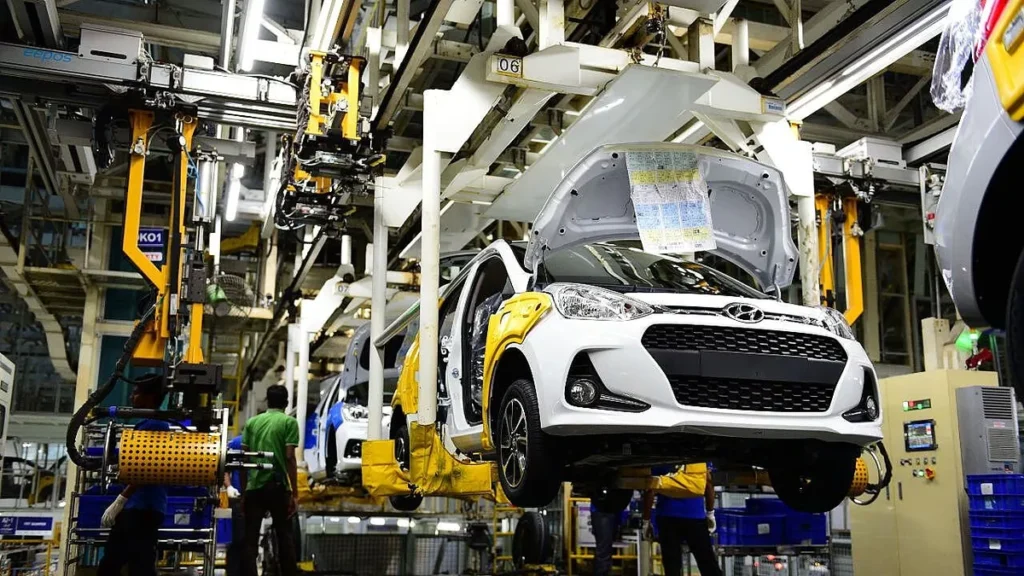
Tamil Nadu. The name itself conjures images of ancient temples, bustling cities, and… well, maybe not immediately cars. But here’s the thing: the state is rapidly becoming a powerhouse in the automotive industry . And recently, TRB Rajaa, the Industries Minister, has been singing its praises. But why should you care? Let’s dive in. It’s more than just political hype; it’s about jobs, investment, and the future of manufacturing in India. What fascinates me is how a state steeped in tradition is simultaneously embracing cutting-edge technology.
Why Tamil Nadu is Revving Up the Automotive Sector
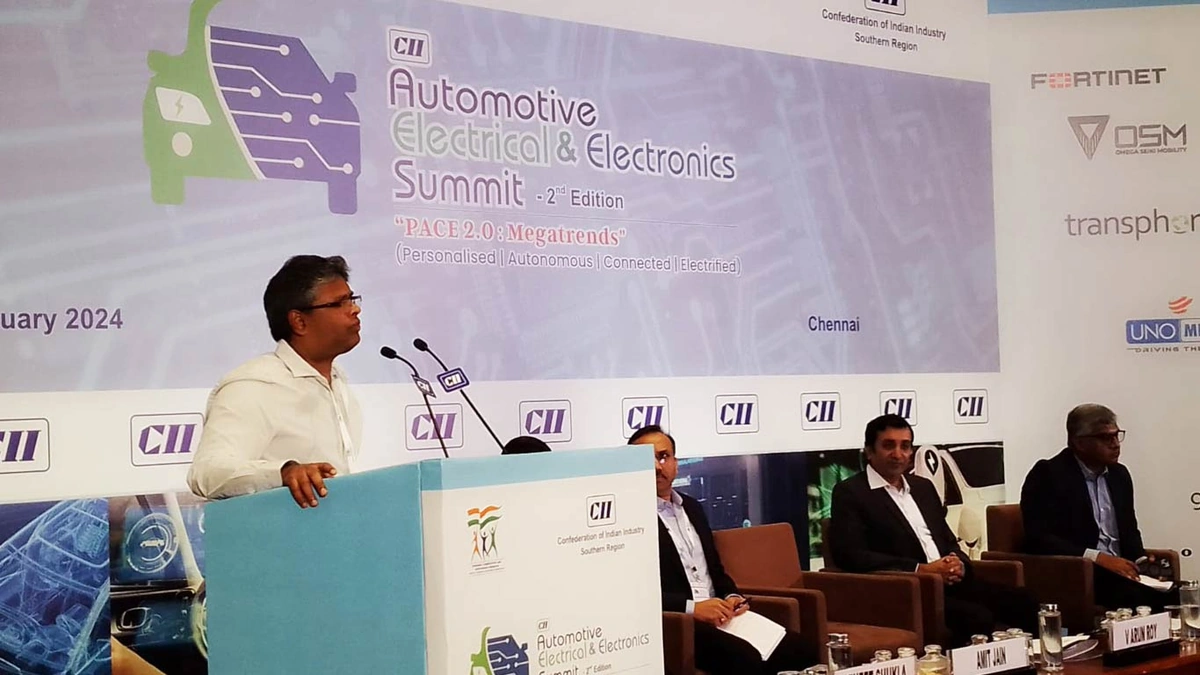
So, what’s the secret sauce? Why is Tamil Nadu attracting so much attention – and investment – in the automotive space? It’s not just one thing, but a combination of factors that have created a perfect storm. Think of it like this: Tamil Nadu had a head start. It already had a strong manufacturing base, thanks to companies like Hyundai and Ford setting up shop years ago. This created a skilled workforce and a robust supply chain. But, the state didn’t rest on its laurels.
Let’s be honest, government policy plays a massive role. Successive governments in Tamil Nadu have actively courted investment in the automotive sector , offering incentives and streamlining regulations. And then there’s the infrastructure. Tamil Nadu boasts excellent ports, roads, and connectivity, making it easy to move goods in and out. A common mistake I see other states make is neglecting the importance of infrastructure – you can’t build cars if you can’t get the parts in or the finished product out!
But the real game-changer, in my opinion, is the state’s focus on electric vehicles (EVs). Tamil Nadu is positioning itself as a major hub for EV manufacturing and related technologies. That’s forward thinking. This isn’t just about assembling cars; it’s about developing the entire ecosystem, from battery production to charging infrastructure. This is why TRB Rajaa’s praise isn’t just lip service; it reflects a tangible reality on the ground. According to data published in the IBEF report , Tamil Nadu accounts for about 35% of India’s total automobile production.
The Ripple Effect | Jobs, Investment, and Economic Growth
Okay, so Tamil Nadu is doing well in the automotive sector. But what does it mean for the average person? The answer, quite simply, is opportunity. The growth of the automotive industry translates directly into jobs – and not just factory jobs. We’re talking about engineers, designers, technicians, logistics professionals, and a whole host of other skilled roles. And it’s not just about the big companies. A thriving automotive sector also creates opportunities for small and medium-sized enterprises (SMEs) in the supply chain. These SMEs provide components, services, and support to the larger manufacturers. So, it’s a win-win for everyone.
Moreover, increased investment in the automotive sector brings in more money to the state, which can then be used to improve infrastructure, education, and healthcare. It’s a virtuous cycle of growth. According to reports, Tamil Nadu has attracted billions of dollars in investment in the automotive sector in recent years. What fascinates me is the pace of change. Toyota Fronx is one of the popular cars assembled here. It feels like just yesterday we were talking about the challenges of attracting foreign investment, and now Tamil Nadu is a magnet for global automotive giants.
Challenges and the Road Ahead
Now, let’s not paint too rosy a picture. There are challenges ahead. The automotive industry is constantly evolving, with new technologies and trends emerging all the time. Tamil Nadu needs to stay ahead of the curve by investing in research and development, promoting innovation, and nurturing a skilled workforce that can adapt to these changes. And then there’s the competition from other states. Other states are also vying for investment in the automotive sector. Tamil Nadu needs to maintain its competitive edge by offering attractive incentives and streamlining regulations. But, the state has a proven track record of success, and I’m confident it can overcome these challenges.
Let me rephrase that for clarity: Tamil Nadu’s success isn’t guaranteed. It requires continuous effort, strategic planning, and a willingness to adapt to changing market conditions. I initially thought this was straightforward, but then I realized the complexity of the factors at play. But the foundations are strong, and the state is well-positioned to continue its growth in the Indian automotive industry . The other challenge is increasing the automobile exports from Tamil Nadu.
The EV Revolution | Tamil Nadu’s Opportunity
Tamil Nadu’s push for electric vehicle manufacturing is very strategic. Electric vehicles are the future, and the state is determined to be a leader in this space. This means attracting investment in battery manufacturing, charging infrastructure, and EV component production. A common mistake I see people make is thinking that EVs are just about replacing petrol cars with electric ones. It’s much bigger than that. It’s about creating a whole new ecosystem of companies, technologies, and jobs.
And Tamil Nadu is well-positioned to capitalize on this opportunity. The state has a strong engineering base, a skilled workforce, and a supportive government. Plus, it has a geographic advantage. It is close to major ports, making it easy to export EVs to other countries. I’ve seen first-hand how the EV industry is transforming other parts of the world, and I believe Tamil Nadu has the potential to become a global hub for EV manufacturing. According to the latest statistics, the electric car sales are increasing, but there is a need to improve the charging infrastructure.
But, as always, there are challenges. The cost of EVs is still relatively high, and the charging infrastructure is still inadequate. The state needs to address these challenges to accelerate the adoption of EVs. This means offering subsidies to consumers, investing in charging infrastructure, and promoting public awareness campaigns. MG Cyberster is expected to be manufactured in India. But the potential rewards are enormous. A thriving EV industry would create jobs, reduce pollution, and boost the state’s economy.
Conclusion | A State on the Move
So, what’s the takeaway? Tamil Nadu’s strong position in the automotive business isn’t just a matter of luck. It’s the result of strategic planning, proactive government policies, and a skilled workforce. TRB Rajaa’s praise is well-deserved. But, more importantly, it’s a sign of things to come. Tamil Nadu is a state on the move, and its automotive industry is leading the charge.
Frequently Asked Questions
What are the key factors driving the growth of the automotive industry in Tamil Nadu?
A combination of factors: a pre-existing manufacturing base, proactive government policies, excellent infrastructure, and a focus on electric vehicles.
How does the automotive industry benefit the people of Tamil Nadu?
It creates jobs, attracts investment, and boosts the state’s economy.
What are the challenges facing the automotive industry in Tamil Nadu?
Keeping up with technological advancements, competition from other states, and the need to develop a robust EV ecosystem.
What is Tamil Nadu doing to promote the adoption of electric vehicles?
Offering subsidies to consumers, investing in charging infrastructure, and promoting public awareness campaigns.
How can Tamil Nadu maintain its leadership position in the automotive industry?
By investing in research and development, promoting innovation, and nurturing a skilled workforce.
What is the scope for automobile engineering jobs in Tamil Nadu?
There is a huge scope for getting automobile engineering jobs as lot of automotive companies are investing in Tamil Nadu.


