

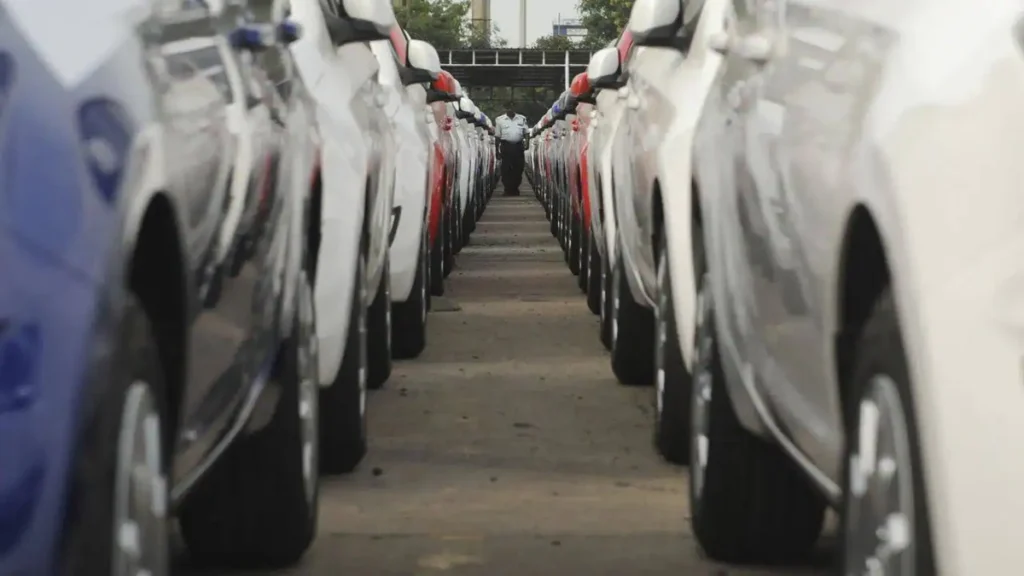
Diwali, the festival of lights, has once again illuminated the Indian automotive market, driving record auto sales in October. Passenger vehicle (PV) sales surged by 17%, while two-wheelers exceeded a staggering 22 lakh units. But here’s the thing – these numbers aren’t just about festive cheer. They tell a deeper story about the Indian economy, changing consumer behavior, and the evolving automotive landscape. Let’s unpack it, shall we?
The Diwali Effect | More Than Just a Buying Spree
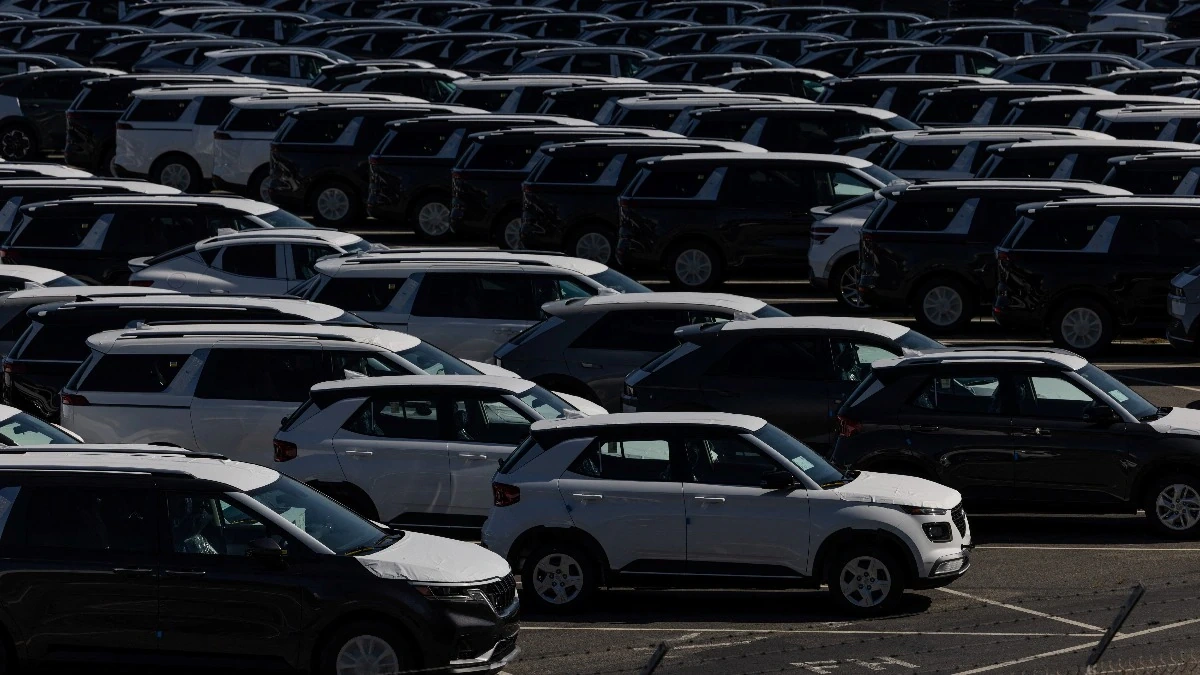
We all know Diwali is a big deal for shopping. But it’s easy to dismiss the sales boost as simply festive indulgence. The reality is far more nuanced. Yes, the auspicious timing plays a role, with families traditionally making big-ticket purchases during this period. However, several underlying factors are at play. The pent-up demand from the past few challenging years, coupled with improving economic sentiment, has created a perfect storm for the automotive sector.
Moreover, manufacturers have been strategically launching new models and offering attractive discounts to capitalize on the festive fervor. It’s a well-orchestrated dance between consumer desire and manufacturer incentive. And let’s be honest, who can resist a shiny new car during Diwali?
PV Sales Surge | A Sign of Economic Recovery or Shifting Priorities?
The 17% increase in passenger vehicle sales is particularly noteworthy. It reflects not only improved purchasing power but also a change in consumer preferences. More and more Indian families are now viewing cars as a necessity rather than a luxury. Factors like increased disposable income, the desire for personal mobility in the face of inadequate public transport, and the growing influence of aspirational lifestyles are all contributing to this surge. Plus, with the increase in hybrid and electric vehicle sales, the Indian auto industry is showing that they’re here to stay.
But, and this is a big but, is this growth sustainable? Are we seeing a genuine economic recovery, or is it a temporary blip fueled by pent-up demand? Time will tell, but the current trends certainly paint a positive picture. What fascinates me is how this PV surge will impact urban planning and infrastructure development in the long run.
Two-Wheeler Domination | The Backbone of Indian Mobility
The two-wheeler segment, exceeding 22 lakh units, continues to be the workhorse of the Indian automotive market. Scooters and motorcycles remain the primary mode of transportation for millions of Indians, especially in smaller towns and rural areas. The affordability, fuel efficiency, and practicality of two-wheelers make them an indispensable part of daily life.
However, the two-wheeler market is also undergoing a transformation. The increasing popularity of electric scooters is slowly but steadily chipping away at the dominance of traditional petrol-powered vehicles. Government initiatives promoting electric mobility, coupled with rising fuel prices, are accelerating this shift. This shift means that Diwali auto sales might look very different in the years to come.
Beyond the Numbers | The Ripple Effect on the Indian Economy
The record auto sales in October have far-reaching implications for the Indian economy. The automotive industry is a major contributor to the country’s GDP, and its growth has a cascading effect on other sectors, such as manufacturing, steel, rubber, and finance.
Increased auto sales also generate significant employment opportunities, both directly and indirectly. From factory workers and dealership staff to mechanics and logistics providers, the automotive industry supports a vast network of livelihoods. Moreover, the rise in vehicle ownership contributes to government revenue through taxes and registration fees. The demand for automobiles creates a positive feedback loop, driving economic growth and prosperity.
Challenges and Opportunities Ahead
While the current outlook for the Indian automotive market is optimistic, several challenges remain. Rising input costs, supply chain disruptions, and the increasing adoption of electric vehicles are all factors that could impact future growth. Manufacturers need to adapt to these changes by investing in research and development, streamlining their operations, and focusing on customer-centric solutions.
But let’s also not forget the immense opportunities that lie ahead. India is one of the fastest-growing automotive markets in the world, and its potential is far from being fully realized. The rising disposable incomes, coupled with the increasing urbanization and infrastructure development, will continue to drive demand for vehicles of all types. The government’s push for electric mobility and sustainable transportation solutions will also create new avenues for growth and innovation. The Maruti XL7 is just one of the autos coming that will drive sales.
In conclusion, the october auto sales data is more than just a fleeting statistic. It’s a reflection of the underlying economic trends, changing consumer preferences, and the dynamic nature of the Indian automotive industry. And with the right strategies and investments, the industry is poised for even greater success in the years to come. I initially thought this was a straightforward story of festive cheer, but then I realized it’s a compelling narrative of India’s economic resilience and evolving aspirations. Now is the time to find a suitable tire market .
FAQ Section
What factors contributed to the record auto sales in October?
Diwali demand, pent-up demand, improving economic sentiment, new model launches, and attractive discounts all played a role.
How significant is the increase in passenger vehicle sales?
The 17% increase is significant, reflecting improved purchasing power and changing consumer preferences towards personal mobility.
What is the role of two-wheelers in the Indian automotive market?
Two-wheelers remain the backbone of Indian mobility, especially in smaller towns and rural areas, due to their affordability and practicality.
How are electric vehicles impacting the auto sales landscape?
The increasing popularity of electric scooters is gradually chipping away at the dominance of traditional petrol-powered vehicles, driven by government initiatives and rising fuel prices.
What challenges and opportunities exist for the Indian automotive industry?
Challenges include rising input costs and supply chain disruptions, while opportunities lie in the country’s growing economy and government support for electric mobility.
What does the future hold for indian car sales?
The future looks promising with increasing urbanization and infrastructure development will continue to drive demand for vehicles of all types.


