

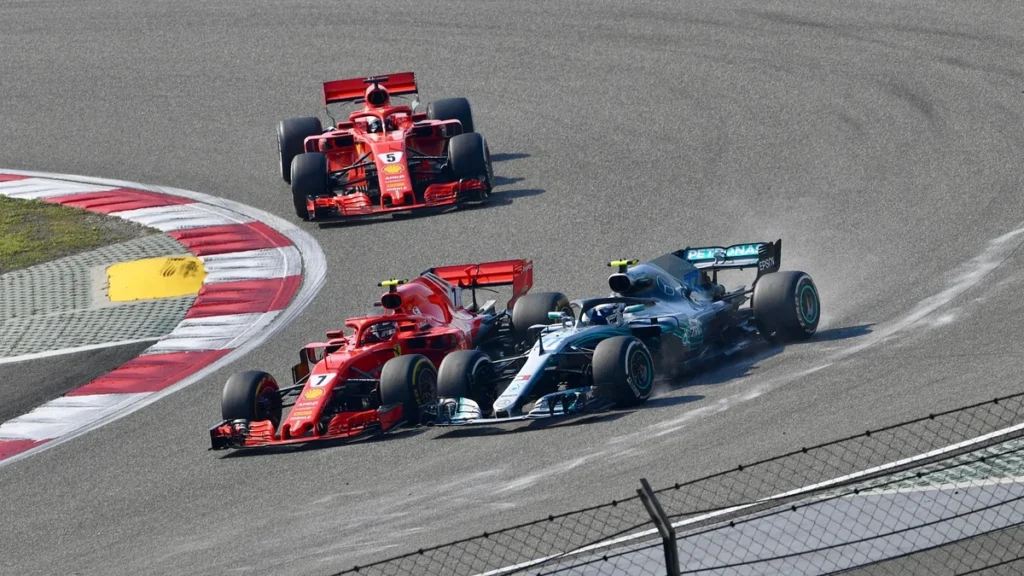
Ever been stuck behind a slow-moving truck on the highway, itching to get past? You signal, check your mirrors, and then… dart into the next lane to overtake . It feels almost instinctive, doesn’t it? But here’s the thing: is that urge always right? Is it always legal? Or, more importantly, safe ? Let’s dive into the surprisingly complex world of changing lanes to pass.
The Overtaking Illusion | Why We Think We Know Best
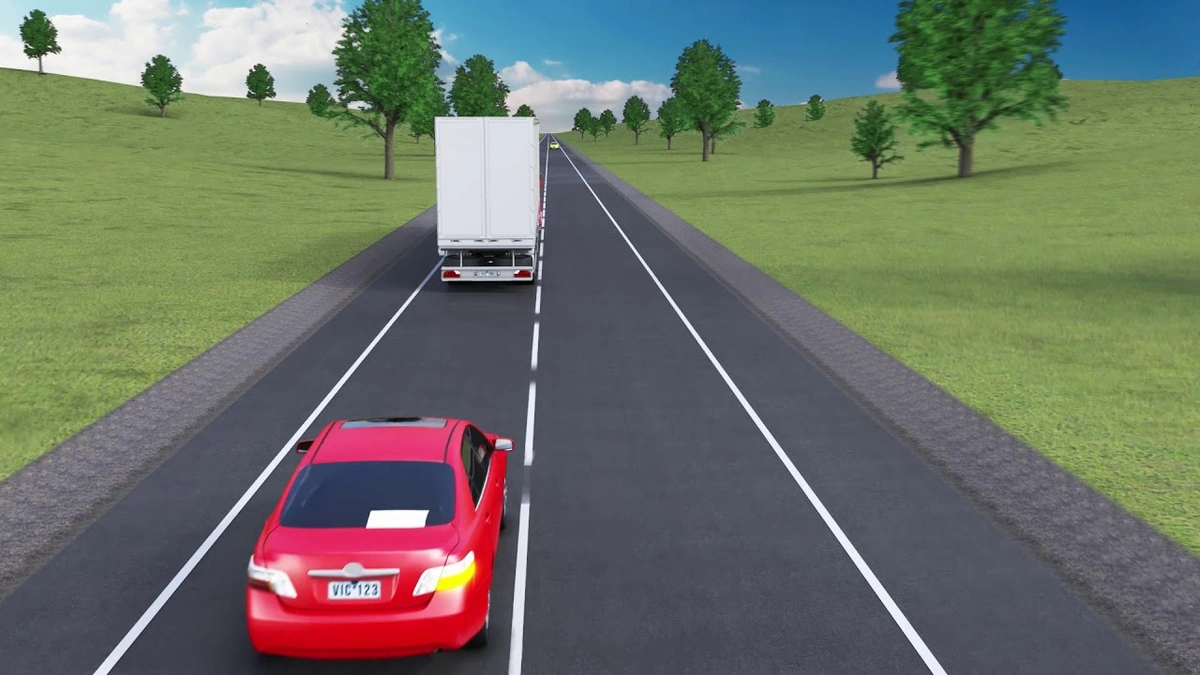
Human beings are, let’s be honest, not always the best judges of speed and distance. We suffer from something called the ‘overtaking illusion.’ Ever notice how when you’re driving, everyone else seems to be either incredibly slow or dangerously fast? It’s because our brains are constantly trying to predict the future – where other cars will be in a few seconds. This predictive ability isn’t always accurate, especially at highway speeds.
And here’s why this matters: when you decide to change lanes to pass, you’re making a split-second calculation based on imperfect data. You think you have enough space, but your brain might be subtly inflating your own speed and deflating the speed of oncoming traffic. This is where accidents happen. A common mistake I see people make is failing to account for closing speeds – how quickly the gap between you and another vehicle is shrinking.
But there’s a more fundamental question: Why do we feel the need to overtake in the first place? Often, it’s simply impatience. We want to get to our destination faster. Fair enough. But is saving a few minutes worth risking a collision? That’s the question every driver needs to ask themselves before making a move.
The Letter of the Law | Overtaking Rules in India
Now, let’s get down to brass tacks. What does the law say about overtaking vehicles in India? Well, it’s not always black and white. The Motor Vehicles Act, 1988, lays down some general principles, but specific rules can vary slightly from state to state.
However, some things are universally true. You should never overtake on a blind curve, near a crest, or at an intersection. Overtaking on the left is generally prohibited (unless the vehicle in front is signaling to turn right and there’s enough space to pass safely on the left). You must always signal your intentions clearly and ensure that the lane you’re moving into is free of traffic.
According to traffic regulations , before initiating an overtaking maneuver , the driver must ensure that there is enough clear distance ahead and that the vehicle behind is not already in the process of overtaking. This is where awareness and experience come into play. So before executing the maneuver, check your mirrors.
Let me rephrase that for clarity: The law isn’t just about what you can’t do. It’s also about what you must do to ensure the safety of yourself and others. This includes maintaining a safe following distance, using your signals properly, and being aware of your surroundings at all times. By following these guidelines, you will make the roads a lot safer.
Beyond the Rules | Defensive Overtaking Techniques
Here’s the thing: even if you know the rules of the road inside and out, you’re still sharing the road with other drivers – some of whom might not be as knowledgeable or careful as you are. That’s why mastering safe overtaking is crucial.
Defensive driving is all about anticipating potential hazards and taking steps to avoid them. In the context of overtaking, this means:
- Planning your move well in advance: Don’t wait until the last second to decide to overtake. Start assessing the situation early.
- Making sure you have a clear view: Can you see far enough ahead to safely complete the maneuver? If not, don’t do it.
- Signaling clearly and early: Give other drivers plenty of warning of your intentions.
- Checking your blind spots: A quick glance over your shoulder can prevent a nasty surprise.
- Accelerating briskly but smoothly: The goal is to get past the other vehicle as quickly as possible without losing control.
- Maintaining a safe following distance after completing the overtake: Don’t cut back in front of the other vehicle too soon.
I initially thought this was straightforward, but then I realized: Defensive driving isn’t just a set of rules; it’s a mindset. It’s about always being prepared for the unexpected and always prioritizing safety. You can also read about other safety guidelines from the latest technological innovations in driving .
The Psychology of Risk | Why We Take Chances
Let’s be honest: driving involves a certain amount of risk. Every time we get behind the wheel, we’re making a conscious decision to accept that risk. The fascinating question is: why do we sometimes take unnecessary risks, like attempting a risky overtake?
Part of the answer lies in something called ‘risk compensation.’ The more safety features a car has (like antilock brakes or airbags), the more likely drivers are to take risks. It’s as if we subconsciously feel that we have a safety net, so we can afford to push the limits a little bit.
But there’s also a psychological factor at play. Driving can be monotonous, especially on long journeys. Sometimes, we take risks simply to relieve the boredom or to feel a sense of control. The adrenaline rush of a successful overtake can be strangely addictive.
Here is the golden rule: The key is to be aware of these psychological tendencies and to actively resist them. Remind yourself that your safety (and the safety of others) is more important than saving a few minutes or getting a quick thrill.
Is it a Myth?
Ultimately, the question of whether changing lanes to pass is a myth or reality comes down to personal responsibility. It’s not inherently dangerous, but it can become so if done recklessly or without proper planning. The reality is that overtaking is a necessary part of driving in many situations. It allows us to navigate traffic efficiently and safely.
What fascinates me is, that the question isn’t really about the act of overtaking itself, but about the mindset and skills of the driver. A skilled and responsible driver can overtake safely and efficiently. An unskilled or reckless driver can turn a simple maneuver into a life-threatening situation. Also check out this similar topic on safety when driving at high speeds .
FAQ Section
Frequently Asked Questions
Is it legal to overtake from the left in India?
Generally, no. Overtaking from the left is only permissible if the vehicle in front is signaling a right turn and there is sufficient space.
What should I do if someone is trying to overtake me dangerously?
Maintain your speed and position. Do not accelerate or try to block them. Let them pass to avoid a potential collision. Stay calm and do not engage.
How often should I check my mirrors when driving?
Check your mirrors every few seconds, especially before changing lanes or braking. Regular mirror checks are crucial for maintaining awareness of your surroundings.
What is a safe following distance?
A good rule of thumb is the two-second rule. Choose a stationary object, and when the vehicle in front of you passes it, count “one thousand one, one thousand two.” If you pass the same object before you finish counting, you’re too close.
What if I feel pressured to overtake by other drivers behind me?
Do not feel pressured. Drive at a safe and comfortable speed. If other drivers are impatient, let them overtake you when it is safe for them to do so. Your safety is paramount.
So, the next time you’re on the road, think twice before changing lanes to pass. Is it really necessary? Is it truly safe? Your life, and the lives of others, may depend on your answer.


