

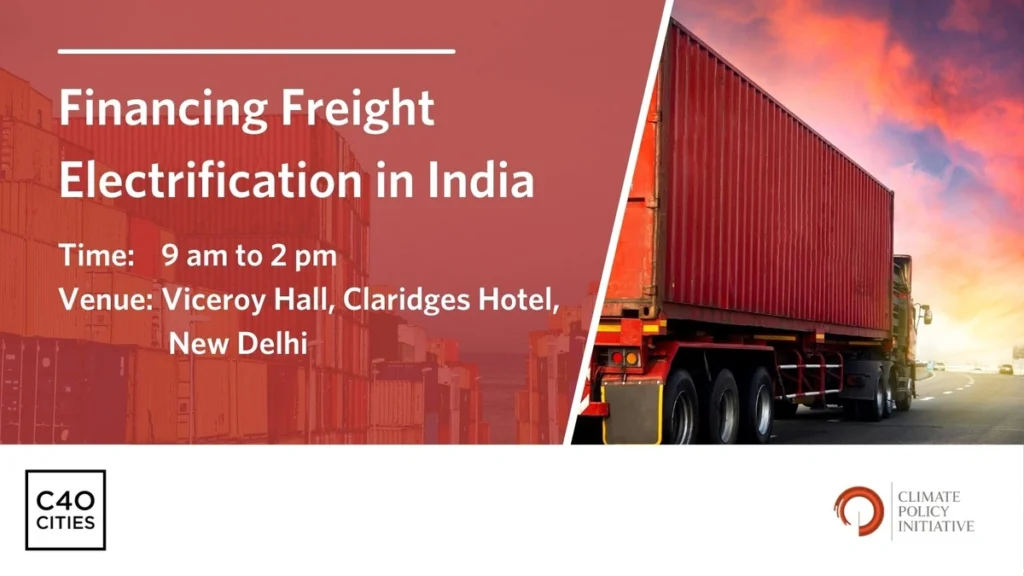
The Indian Railways, a behemoth chugging across the nation’s vast landscape, just dropped a game-changer. A new freight policy aimed squarely at the auto and steel industries. But, let’s be honest, policy announcements can often feel like reading a terms and conditions agreement – important, yes, but also mind-numbingly dull. So, what’s the big deal? Why should someone in India care about this unless they’re personally shipping steel girders or a fleet of cars? Here’s the thing: this isn’t just about moving metal and machines; it’s about potentially reshaping India’s economic landscape, and it’s likely to touch our lives in ways we might not immediately realize. This is especially relevant considering the focus on “Make in India” and boosting domestic manufacturing.
Decoding the New Freight Policy | More Than Just Tracks and Trains
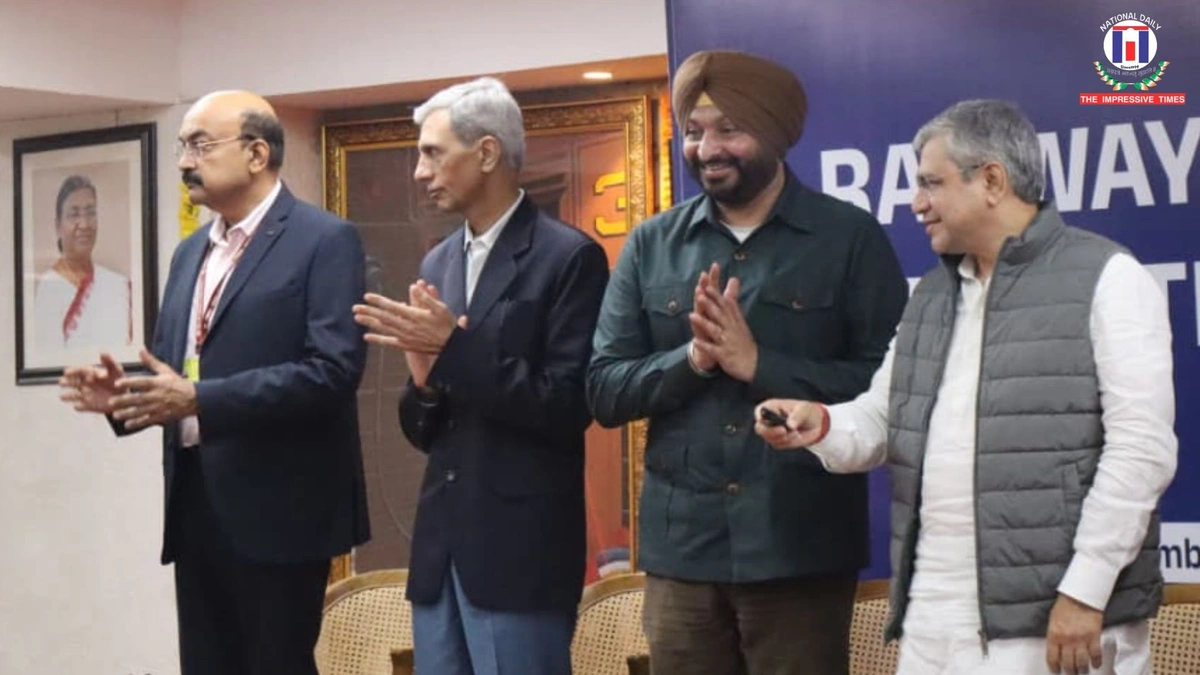
At its core, this new freight policy is designed to make it cheaper and easier for auto and steel companies to transport their goods via rail. The Rail Ministry is essentially saying, “Hey, we know road transport is often a headache with traffic, delays, and rising fuel costs. Come ride the rails with us!” But how are they enticing these industries? It boils down to a few key things: reduced freight charges, simplified procedures, and guaranteed delivery times. The specifics are still being ironed out, naturally, but the direction is clear. Think of it as a loyalty program, but for industries instead of individual customers.
Here’s what fascinates me: the policy implicitly acknowledges the crucial role of logistics in economic growth. If you can’t efficiently move raw materials and finished products, your entire manufacturing sector suffers. This is especially critical for industries like auto and steel, which are heavily reliant on the timely and cost-effective movement of goods. According to Wikipedia , Indian Railways is one of the world’s largest railway networks. Optimizing its freight operations is a massive undertaking with potentially huge rewards.
The “Why” Angle | Unpacking the Implications
So, why is this happening now? Several factors are likely at play. First, the government is pushing hard to boost manufacturing and infrastructure development. Efficient logistics are essential for both. Second, the railways have been facing increasing competition from road transport. This policy is a direct attempt to win back market share. And third, there’s a growing awareness of the environmental impact of road transport. Rail is generally considered a more environmentally friendly option, especially for long-haul freight. A common mistake I see is people overlooking the environmental benefits. But it’s a huge deal, especially with India’s commitments to reducing carbon emissions.
Let me rephrase that for clarity: cheaper and faster freight translates to lower costs for manufacturers. Lower costs, in turn, can lead to lower prices for consumers and increased competitiveness for Indian companies in the global market. It’s a ripple effect that can positively impact the entire economy. But (and there’s always a ‘but’, isn’t there?) the success of this policy hinges on effective implementation. If the railways can’t deliver on its promises of reduced costs and faster delivery times, companies will stick with road transport, regardless of the policy incentives.
Steel Industry Benefits
The steel industry stands to gain immensely from this freight policy. Reduced transportation costs can make Indian steel more competitive in both domestic and international markets. The policy might also incentivize steel plants located in resource-rich areas, boosting regional development.
Automobile Industry Benefits
The automotive industry, with its complex supply chains, also stands to benefit. Efficient transportation of components and finished vehicles can reduce lead times and inventory costs. Ultimately, this could mean faster delivery times for consumers and a more competitive automotive sector.
Challenges and the Road Ahead
Of course, no major policy shift is without its challenges. The railways will need to invest in infrastructure upgrades to handle the increased freight traffic. They will also need to streamline their operations and improve coordination with other stakeholders. And let’s be honest, bureaucratic hurdles can sometimes slow things down. But the potential benefits are significant enough to warrant the effort. As per the guidelines, constant monitoring and adaptation will be crucial.
I initially thought this was straightforward, but then I realized the implications extend far beyond just the auto and steel industries. This policy could pave the way for similar initiatives in other sectors, transforming India’s entire logistics landscape. The government might also consider expanding the scope of the policy to include other industries, further boosting economic growth.
A key aspect of policy success lies in effective communication and collaboration with stakeholders. Regular dialogues between the Rail Ministry , industry representatives, and logistics providers will be crucial to identify and address any challenges that may arise. The one thing you absolutely must double-check is the actual on-the-ground execution. A great policy on paper means nothing if it’s not implemented effectively.
This also is a good news for the Indian economy considering design in India . What fascinates me is the potential for this policy to reshape India’s economic landscape. The auto and steel industries are vital components of the nation’s economy. Their success has a cascading effect, creating jobs and boosting overall prosperity. By making it easier and cheaper for these industries to transport their goods, the government is essentially investing in their future – and in India’s future.
FAQ Section
How will the reduced freight charges impact the prices of cars and steel?
The reduced freight charges are expected to lower the overall cost of production for auto and steel companies, potentially leading to more competitive prices for consumers.
Will this policy affect the delivery times of goods transported by rail?
Yes, the policy aims to improve delivery times by streamlining procedures and ensuring faster transit for freight trains.
What if there are delays in freight delivery?
While the policy aims to minimize delays, mechanisms are expected to be in place to address any issues that may arise, including compensation for delays.
Is this policy applicable to all auto and steel companies?
Yes, the policy is intended to benefit all companies operating in the auto and steel sectors across India. It’s a broad initiative, not limited to specific players.
How can companies avail of the benefits under this freight policy?
Companies can avail of the benefits by registering with the Railways and complying with the terms and conditions of the policy. Details on registration and compliance will be available on the Indian Railways website.
What are the long-term goals of this freight policy?
The long-term goals include boosting the competitiveness of Indian industries, reducing logistics costs, promoting sustainable transportation, and supporting economic growth.
The new freight policy for auto and steel industries is more than just a policy; it’s a statement of intent. A commitment to building a more efficient, competitive, and sustainable economy. It’s a bold move, and one that deserves close attention. After all, the tracks we lay today will determine the direction of our journey tomorrow. Now, the real question is: can the Indian Railways deliver? Only time will tell. But the potential is definitely there.
And similar policies can contribute significantly in strengthening supply chain.


