

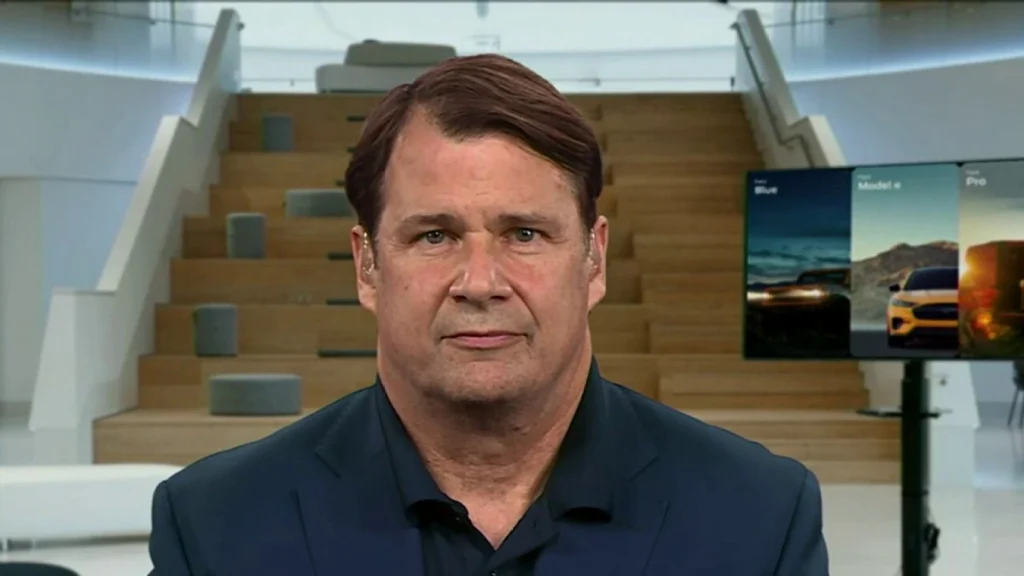
Ford and Apple. It sounds like a Silicon Valley boardroom drama, doesn’t it? You’ve got Jim Farley , the straight-talking, racing enthusiast leading the charge at Ford, and Tim Cook, the calm, collected helmsman of the tech behemoth, Apple. They talk. A lot, apparently. But, and it’s a big but, something’s holding them back from a deeper collaboration.
What fascinates me is this: What kind of authority are they talking about? Is it regulatory hurdles? Internal politics? Or something far more fundamental about the clash of automotive tradition and Silicon Valley disruption? Let’s dive in, because this isn’t just about two CEOs chatting; it’s about the future of how we drive – and who gets to build it.
The Electric Vehicle Dance | Why Ford Needs Apple (and Vice Versa?)
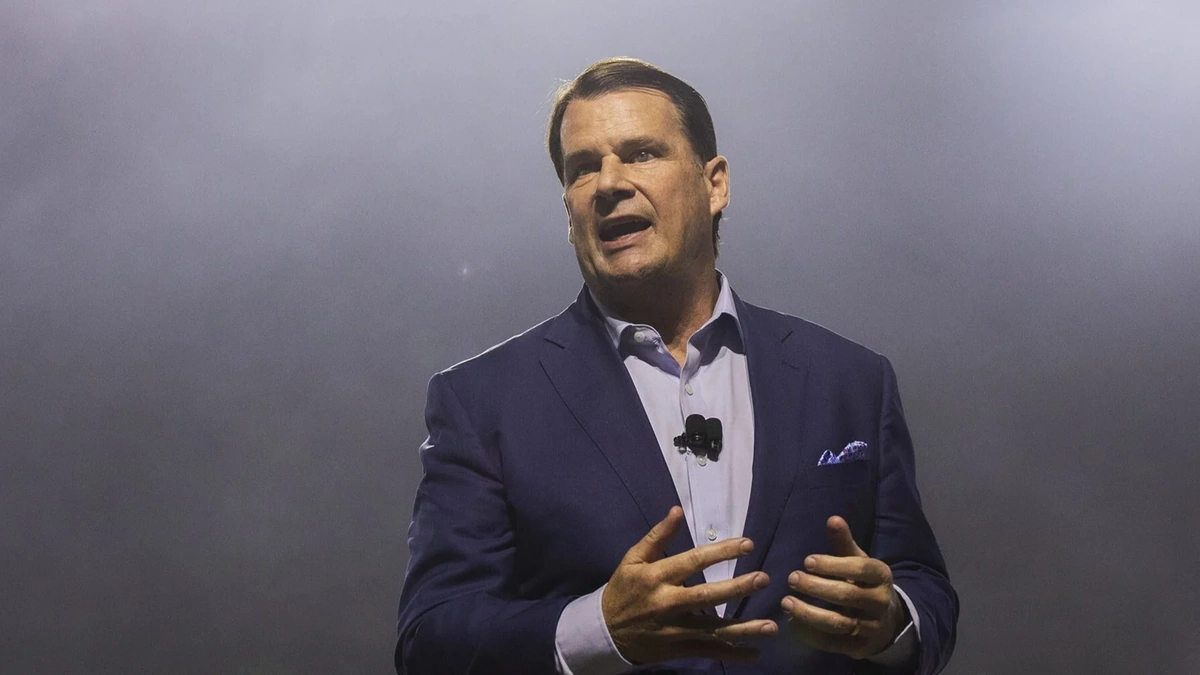
The automotive world is in the throes of an electric revolution. And in this revolution, everyone is scrambling for partners. Ford, under Jim Farley’s leadership , has made significant strides with its Mustang Mach-E and F-150 Lightning. But let’s be honest, building EVs isn’t just about bolting batteries onto existing platforms. It’s about software, user experience, and creating an ecosystem – things Apple excels at.
Consider Apple. They’ve been rumored to be working on an electric vehicle for years – the elusive Apple Car. But designing and manufacturing a car from scratch? That’s a Herculean task, even for a company with Apple’s resources. That’s where Ford comes in. They have the manufacturing expertise, the established supply chains, and the deep understanding of automotive engineering. But they need Apple’s software magic. A common mistake I see companies make is underestimating the complexity of automotive software. It is a completely different ballgame compared to mobile or desktop apps. It has to work every time, all the time. Lives depend on it.
So, what’s the hold-up? Farley’s quote – “we lack the authority” – hints at a power dynamic, maybe even a clash of cultures. Are they struggling to agree on who controls the user experience? The data? Or perhaps the very vision of what the future of mobility should look like?
The Authority Question | Who’s Driving This Car?
Here’s the thing: “Authority” in this context likely refers to control over key aspects of the vehicle. Is it Apple wanting complete control over the infotainment system, the user interface, and the data generated by the car? Or is it Ford wanting to maintain its brand identity and driving experience? According to the latest reports on Apple’s website , they have been looking for partnerships for years, but never seem to find the right fit. It’s a complex dance of egos, intellectual property, and strategic visions.
Let’s rephrase that for clarity: Imagine you’re co-writing a book. Who gets final say on the plot twists? Who owns the characters? Now, scale that up to a multi-billion dollar project involving complex technology and the future of transportation. The stakes are incredibly high.
But, there’s something else at play here. The automotive industry is heavily regulated. Safety standards, emissions requirements, and a complex web of international laws all add layers of complexity. Apple, for all its technological prowess, doesn’t have decades of experience navigating this regulatory maze. Ford does. This is why partnerships in the automotive industry are so complicated.
Beyond the Buzzwords | The Real-World Implications for India
Why should someone in India care about this potential Ford-Apple collaboration? Because it will reshape the automotive landscape, and India, with its rapidly growing middle class and increasing demand for electric vehicles, is a key market. If Ford and Apple can crack the code, they could potentially bring cutting-edge EV technology and user experiences to India, accelerating the adoption of electric mobility.
But there’s a catch. India has its own set of regulations and its own unique market dynamics. A successful Ford-Apple partnership would need to adapt its technology and business model to the Indian context. This could mean developing more affordable EVs, focusing on localized software solutions, and partnering with local manufacturers and suppliers. The one thing you absolutely must double-check is whether these EVs are compliant with Indian safety standards. This is a must for consumer confidence.
The Competitive Landscape | A Crowded EV Market
The EV market is heating up globally, and India is no exception. Tesla, Mahindra, Tata Motors, and a host of other players are all vying for market share. A Ford-Apple collaboration would enter a fiercely competitive environment. But the combined strengths of these two giants could give them a significant edge. As per the guidelines mentioned in various industry reports, the key to success will be innovation, affordability, and a deep understanding of the Indian consumer.
What fascinates me is how this plays out against India’s ‘Make in India’ initiative. Will the government encourage such a partnership, even if it means relying on foreign technology? Or will it prioritize domestic manufacturers? It’s a complex political and economic calculation.
Electric vehicle technology , EV market , and automotive industry are becoming important keywords when discussing this collaboration.
The Future of Mobility | More Than Just Cars
Ultimately, the potential Ford-Apple partnership is about more than just building cars. It’s about creating a seamless, integrated mobility experience. Think about it: Your car could sync seamlessly with your iPhone, your Apple Watch, and your entire digital ecosystem. You could control your car with Siri, use Apple Maps for navigation, and even pay for charging with Apple Pay.
And, it would all work together. Like one big, happy technological family. But, is that what we really want? The thought of Big Tech having even more control over our lives is, admittedly, a little unsettling. Let me rephrase that for clarity: How much of our lives are we willing to outsource to technology companies?
The question of authority isn’t just about Ford and Apple. It’s about who controls the future of mobility. And that’s a question we all need to be asking.
So, here’s the thing: While this potential partnership may not have immediate benefits to the average person in India, the shift towards electric vehicles will have a huge impact on all of us. Reduced air pollution, lower running costs, and a more sustainable future are all within reach. Ford and Apple, together or separately, could play a key role in making that vision a reality. Ford CEO Jim Farley has an uphill task in a world that is rapidly changing. He needs to take bold steps.
This deal can definitely help Ford’s growth .
And let’s not forget the human element. It’s easy to get caught up in the technology and the business deals, but at the end of the day, it’s about people. Engineers designing the cars, workers building them, and consumers driving them. Their needs and their experiences should be at the heart of this transformation.
FAQ Section
Frequently Asked Questions
What exactly does Jim Farley mean by “lack of authority”?
It likely refers to a disagreement over control and ownership of key aspects of the vehicle, such as the software, user interface, and data.
Why would Apple want to partner with Ford?
Ford has the manufacturing expertise, established supply chains, and experience in navigating automotive regulations that Apple lacks.
What are the potential benefits of a Ford-Apple collaboration for India?
It could bring cutting-edge EV technology and user experiences to the Indian market, accelerating the adoption of electric mobility.
What are the challenges of such a collaboration in India?
Adapting technology and business models to the Indian context, navigating local regulations, and competing with established players in the EV market.
Will this deal affect Ford’s competitors?
Absolutely. Any deal will alter the playing field and bring more competition to EV manufacturing .
How will future generations adapt to new EV technology?
For younger generations, this is all they will know. For older generations, it’s imperative to embrace technology to keep up.
Ultimately, the success of this potential partnership hinges on whether Ford and Apple can find a way to bridge their cultural divides, share control, and create a truly innovative and user-centric mobility experience. It is interesting to see what happens, and how quickly. To delve deeper into the transformations within the automotive sector, you might find insights in this article about Autohomes transformation . And if you’re curious about investment strategies, perhaps exploring topics like Mihir Vora’s trust mutual fund could offer additional perspectives. This partnership isn’t just about cars; it’s about the future of how we move, connect, and live.


