

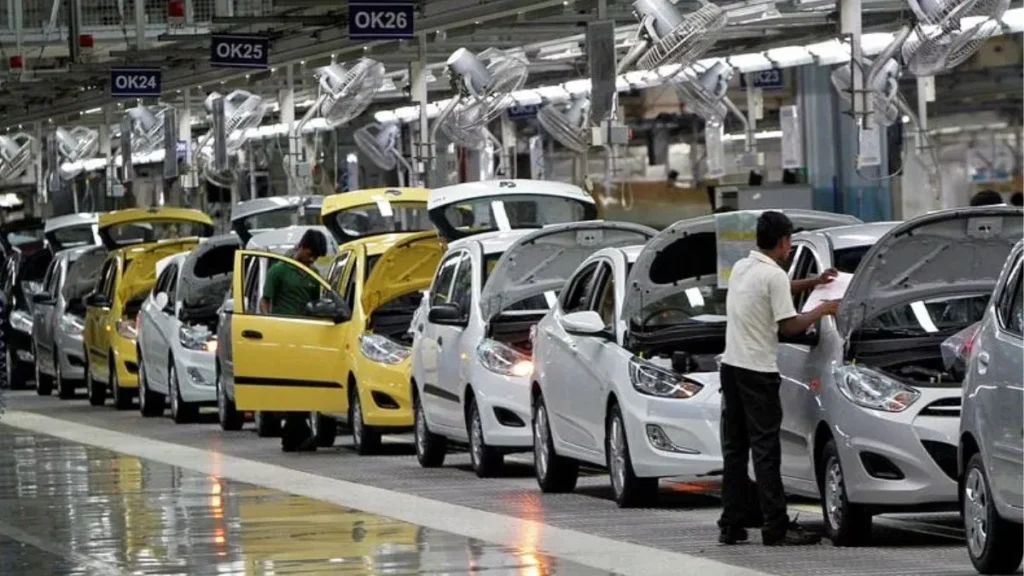
The air is buzzing, fairy lights are twinkling, and the aroma of sweets fills homes across India. Yes, it’s the festive season! But this year, there’s more than just cheer in the air. Auto sales have surged, painting a vibrant picture for the Indian automotive industry. A whopping 21% growth – that’s not just a number; it’s a story of changing consumer sentiments, pent-up demand, and a whole lot more. But the big question is… Why?
Decoding the Festive Surge | More Than Just Good Timing
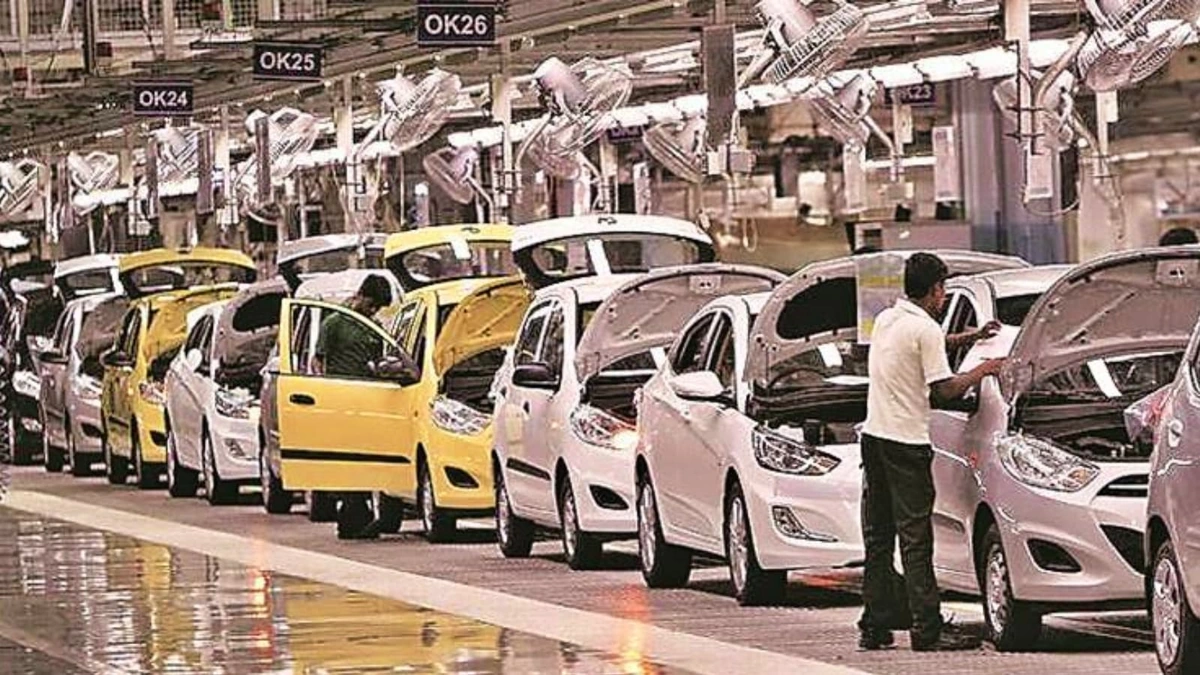
Let’s be honest, festivals and buying new vehicles in India go together like chai and pakoras on a rainy day. However, this year feels different. We’re not just talking about the usual Diwali rush. Several underlying factors are fueling this impressive growth. The economy’s been steadily recovering post-pandemic, and people are feeling more confident about spending. Plus, with work-from-home becoming more common, the need for personal transportation has increased.
What fascinates me is the shift in mindset. Earlier, buying a car was a long, drawn-out decision. Now, with easier financing options and a wider range of models, people are more willing to take the plunge. “But wait,” you might ask, “aren’t vehicle prices increasing?” Yes, they are. But the desire to own a personal vehicle during these times seems to be trumping cost considerations. Several automotive manufacturers have capitalised on the opportunity with attractive schemes.
The Rise of SUVs and Electric Vehicles | A Glimpse into the Future
Here’s the thing: it’s not just any vehicle that’s flying off the shelves. SUVs (Sport Utility Vehicles) continue to dominate the market, reflecting a preference for bigger, bolder, and more versatile vehicles. And then there’s the electric vehicle (EV) revolution quietly gaining momentum. Electric car sales are steadily increasing, driven by government incentives, growing awareness, and a desire to be more eco-friendly.
“But,” you might wonder, “are EVs really practical in India yet?” That’s a valid question. The charging infrastructure is still developing, and range anxiety is a real concern for some. But, the lower running costs and the sheer novelty of driving an EV are proving to be strong motivators. Moreover, the automotive industry trends indicate that the EV sector will continue to grow, paving the way for a cleaner and more sustainable future. More on upcoming cars here .
Impact on the Economy and Job Market | A Ripple Effect
The growth in auto sales has a ripple effect throughout the economy. It boosts manufacturing, creates jobs, and generates revenue for the government. Think about it: a single car involves countless components, manufactured by numerous suppliers, assembled by skilled workers, and sold by dealerships.
And it doesn’t stop there. The automotive sector supports a vast network of ancillary industries, from tire manufacturers to auto finance companies. Automotive market analysis suggests that this festive season surge will provide a much-needed boost to these sectors, creating new opportunities and stimulating economic growth. So, it’s not just about cars; it’s about the entire ecosystem that revolves around them. But, let’s be real, are there challenges ahead?
Navigating the Road Ahead | Challenges and Opportunities
While the festive season has brought cheer, the Indian auto sector isn’t without its challenges. Supply chain disruptions, rising input costs, and the ongoing semiconductor shortage continue to be pain points. But here’s where innovation comes in.
Automakers are adapting by finding alternative suppliers, investing in technology, and focusing on efficiency. They’re also exploring new business models, such as subscription services and online sales platforms. Used car sales are also on the rise as many customers prefer used cars owing to their affordability. What fascinates me is how quickly the industry is adapting to these challenges and turning them into opportunities. It’s a testament to the resilience and ingenuity of Indian businesses. As per Wikipedia , the Indian automotive industry is one of the largest in the world.
Consumer Sentiments and Future Outlook | A Glimpse into 2024
Ultimately, the success of the Indian auto sector hinges on consumer confidence. As long as people feel optimistic about the future, they’ll continue to invest in personal transportation. But, and this is a big but, affordability is key. Automakers need to strike a balance between offering cutting-edge technology and keeping prices competitive.
Looking ahead to 2024, the outlook is cautiously optimistic. The festive season surge has set a positive tone, but the industry needs to address the challenges and capitalize on the opportunities. And one thing is certain: the Indian auto sector is dynamic, resilient, and full of surprises. It’s a sector that reflects the aspirations and ambitions of a rapidly growing nation. Here is another internal link .
FAQ Section
Frequently Asked Questions (FAQs)
What are the main factors driving the growth in Indian auto sales this festive season?
Several factors are contributing, including pent-up demand, a recovering economy, increased need for personal transportation due to remote work, and attractive financing options.
Are electric vehicles (EVs) really gaining traction in India?
Yes, EV sales are steadily increasing, driven by government incentives, growing awareness, and a desire for eco-friendly transportation.
What are the main challenges facing the Indian auto sector?
Supply chain disruptions, rising input costs, and the ongoing semiconductor shortage are key challenges.
How is the growth in auto sales impacting the Indian economy?
It boosts manufacturing, creates jobs, generates revenue for the government, and supports a vast network of ancillary industries.
What is the outlook for the Indian auto sector in 2024?
The outlook is cautiously optimistic, with the industry needing to address challenges and capitalize on opportunities while maintaining affordability for consumers.
What role does government policy play in boosting auto sales?
The government’s policy plays an integral role. Lowering the GST rate will directly reduce the purchase price of new vehicles, making them more accessible to a wider range of consumers. Subsidies can also significantly impact the EV market, encouraging the adoption of electric vehicles.
So, the next time you see a shiny new car on the road, remember it’s not just a vehicle. It’s a symbol of India’s economic progress, its technological advancement, and its unwavering spirit.


