

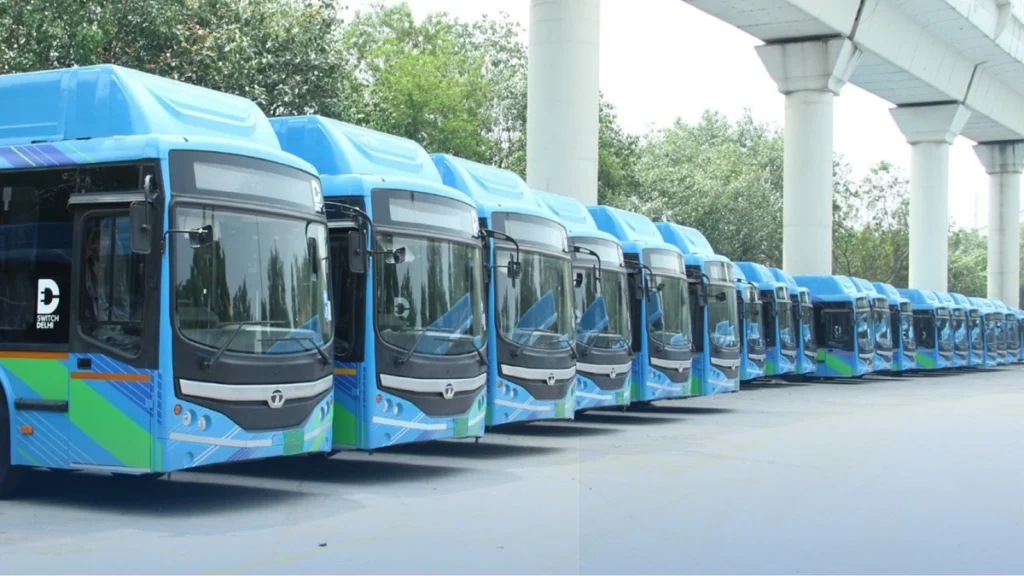
Let’s be honest, Delhi’s air quality has become a recurring character in our lives – and not a welcome one. Every winter, it’s the same story: a thick blanket of smog, health advisories, and a collective sigh of resignation. But what if this time, things could be different? What if the answer lies in a silent, electric revolution on our roads? That’s precisely what the Delhi government is mulling over, and a key meeting is on the cards to discuss an aggressive push for Electric Vehicles (EVs). But Delhi EV push is not a new thing, what matters is what will be different this time?
The burning question – quite literally, given the circumstances – is, will this initiative actually work? Will it be another well-intentioned plan that fizzles out, or can it truly transform Delhi’s toxic air into something breathable? Here’s the thing, it’s not just about swapping petrol engines for batteries; it’s about creating a whole ecosystem that supports and encourages EV adoption. Think charging infrastructure, subsidies, and, perhaps most importantly, changing public perception.
The Urgency | Why Now?
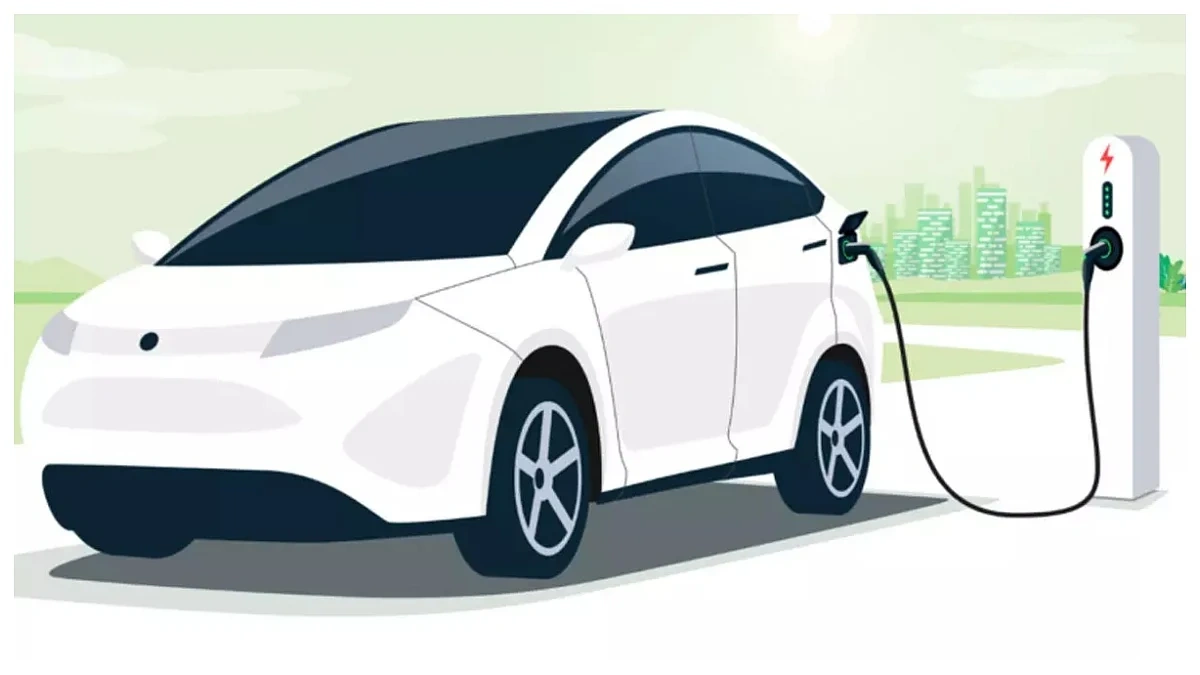
Why is this happening now? Well, the simplest answer is that the situation is becoming untenable. Air Quality Index (AQI) levels regularly breach hazardous levels, and the health costs – both in terms of human suffering and economic burden – are staggering. But there’s more to it than just immediate crisis management. According to the Delhi Transport Department , the city has been steadily working towards increasing EV adoption as part of a larger strategy to combat pollution and meet climate goals. The upcoming meeting is likely a crucial step in accelerating that process, potentially setting ambitious targets and outlining concrete steps to achieve them.
And, frankly, we’re also seeing the rest of the world move in this direction. Countries are setting deadlines for phasing out petrol and diesel cars, and automakers are investing billions in EV technology. India, and Delhi in particular, can’t afford to be left behind. There is a strong need for pollution control in Delhi, and shifting to EVs is seen as a practical step toward it.
What’s on the Table | Potential Policies and Incentives
So, what exactly might be discussed in this crucial meeting? While details are still under wraps, we can reasonably expect several key areas to be on the agenda. Subsidies for EV purchases are likely to feature prominently. These could take the form of direct cash incentives, tax breaks, or even discounts on registration fees. Delhi has previously offered subsidies, and it will be interesting to see if they are increased or extended to cover a wider range of vehicles.
Another crucial aspect is charging infrastructure. Without a widespread and reliable network of charging stations, EV adoption will remain limited. The government could announce plans to install more public charging points across the city, perhaps in partnership with private companies. Standardized charging protocols and ensuring the reliability of these stations will also be critical. Also the government is planning to promote EV infrastructure in the city through private and government partnerships.
But let’s not forget about the commercial vehicle sector. Buses, taxis, and auto-rickshaws contribute significantly to Delhi’s pollution, and incentivizing their switch to electric power could have a major impact. This could involve special financing schemes, dedicated charging lanes, or even mandates for fleet operators. This aggressive EV promotion might include scrappage policies for older, more polluting vehicles.
The Challenges Ahead | Roadblocks to EV Adoption
Of course, the path to an all-electric Delhi is not without its obstacles. One of the biggest is cost. EVs are still generally more expensive than their petrol or diesel counterparts, even with subsidies. This price barrier needs to be addressed to make EVs accessible to a wider range of consumers. Also the current EV market trends show that the customer is looking for value for money, with longer battery life.
Range anxiety is another significant concern. People worry about running out of battery power, especially on longer journeys. Addressing this requires not only more charging stations but also EVs with longer ranges. And let’s be real, charging times can still be inconvenient. Nobody wants to spend hours waiting for their car to charge. Faster charging technology is essential.
And then there’s the question of electricity supply. Delhi’s power grid is already under strain, especially during peak summer months. A massive increase in EV adoption could put even more pressure on the grid, potentially leading to blackouts. Upgrading the grid and ensuring a reliable supply of electricity will be crucial. Many experts are pitching for alternate sources of energy to power the grid. However the energy transition will take sometime and cost a lot of money.
But, and this is a big but, these challenges are not insurmountable. With the right policies, investments, and public awareness campaigns, Delhi can overcome these hurdles and pave the way for a cleaner, greener future. The Delhi government must consider steps to improve public transport electrification in order to get better acceptance.
Beyond the Car | A Holistic Approach
What fascinates me is that the EV transition isn’t just about cars. It’s about reimagining our entire transportation system. Think about electric buses zipping silently through the streets, electric scooters providing affordable and eco-friendly mobility, and even electric boats gliding along the Yamuna (okay, maybe that’s a bit ambitious for now!).
A truly successful EV push requires a holistic approach that considers all modes of transportation and integrates them seamlessly. This means investing in public transportation, promoting cycling and walking, and creating pedestrian-friendly streets. The government is trying to create greener transportation solutions through various measures.
And let’s not forget about the importance of public awareness. Many people are still skeptical about EVs, either because they don’t understand the technology or because they’ve heard negative stories. Educating the public about the benefits of EVs – both for the environment and for their wallets – is essential. Test drives, public forums, and targeted advertising campaigns can all play a role. The Delhi government needs to work on EV awareness campaigns to ensure more people adopt it.
The upcoming meeting is a pivotal moment for Delhi. It’s an opportunity to turn the tide on pollution and create a healthier, more sustainable city. It won’t be easy, and there will be challenges along the way. But with vision, determination, and a little bit of electric spark, Delhi can lead the way towards a brighter future. If things go well EV success can lead to success for other Indian cities.
FAQ Section
What are the key benefits of switching to an EV?
EVs produce zero tailpipe emissions, reducing air pollution. They also have lower running costs due to cheaper electricity compared to petrol/diesel. EVs are also quieter and require less maintenance.
Will the government provide subsidies for purchasing EVs?
Subsidies are likely to be part of the aggressive EV promotion plan. The details of these subsidies (amount, eligibility) will be announced after the meeting.
Where can I charge my EV in Delhi?
The government plans to expand the public charging infrastructure. You can find existing charging stations through mobile apps like PlugShare or local EV communities.
What happens to the old petrol/diesel vehicles?
A scrappage policy is being considered to incentivize the replacement of older, polluting vehicles with newer EVs.
Is Delhi’s power grid ready for mass EV adoption?
Upgrading the power grid is a critical part of the plan. The government is exploring options for increasing the grid’s capacity and ensuring a reliable power supply.
How can I stay updated on the latest EV policies in Delhi?
Follow the official websites of the Delhi Transport Department and the Delhi government for announcements and updates.


