

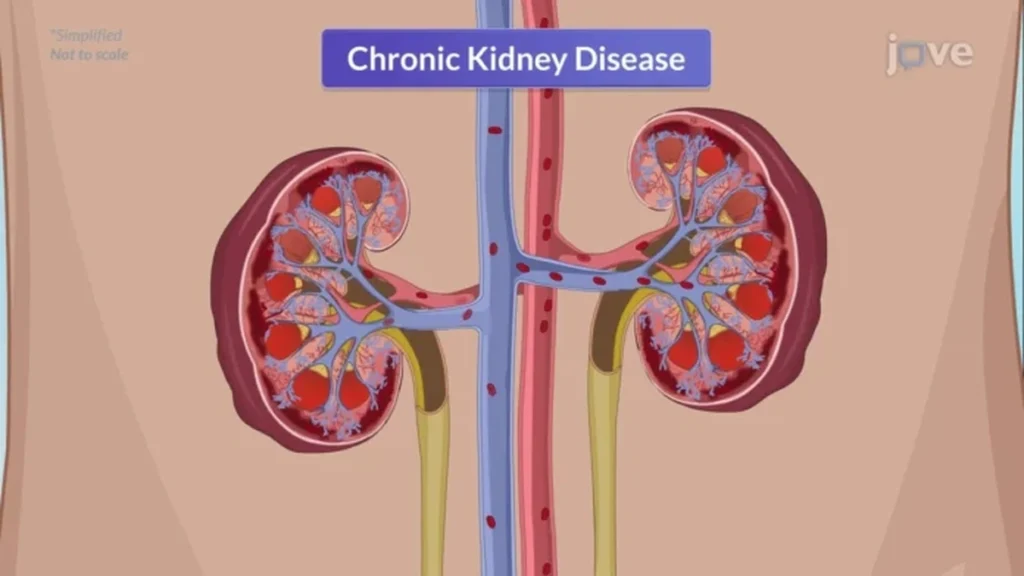
Let’s be honest, when we hear about chronic kidney disease, it often feels like a distant problem, something that happens to “other people.” But here’s the thing: it’s becoming increasingly prevalent, especially in India, and understanding why is crucial. This isn’t just about medical jargon; it’s about your health, your family’s health, and making informed decisions. I initially thought it was just about old age, but then I realized there’s much more to it. So, let’s dive deep.
The Silent Epidemic: Understanding the Rise of CKD
Chronic Kidney Disease (CKD) isn’t a sudden event; it’s a gradual decline in kidney function over time. The kidneys, those bean-shaped organs working tirelessly behind the scenes, are responsible for filtering waste and excess fluids from your blood. When they’re damaged, waste builds up, leading to a cascade of health problems. But, what’s driving this rise? Several factors contribute, including the increasing prevalence of diabetes and hypertension.
Diabetes, often dubbed the ‘silent killer,’ is a major culprit. High blood sugar levels, over time, can damage the delicate blood vessels in the kidneys. And it’s not just Type 1 diabetes; the surge in Type 2 diabetes, often linked to lifestyle factors, is a significant concern. According to the Indian Heart Association, India has a substantial diabetic population, which inevitably impacts kidney health. The problem is that many individuals are unaware they even have diabetes until complications arise.
Then there’s hypertension, or high blood pressure. Uncontrolled hypertension puts immense strain on the kidneys, leading to scarring and impaired function. What fascinates me is how interconnected these conditions are. Diabetes can lead to hypertension, and hypertension can worsen kidney disease – a vicious cycle! Often, managing hypertension involves dietary changes, regular exercise, and, in some cases, medication. The Kidney Foundation of India offers resources and support for managing kidney health and understanding the rise of chronic kidney disease .
Lifestyle and CKD: Are You at Risk?
So, beyond diabetes and hypertension, what else is contributing to the rise in CKD? Here’s where lifestyle factors come into play. Things like diet, exercise (or lack thereof), and even certain medications can impact kidney health.
A diet high in processed foods, salt, and red meat can put a strain on your kidneys. What I’ve learned is that our kidneys work extra hard to filter out the excess sodium and toxins. It’s not about completely eliminating these foods, but rather about moderation and balance. Think more fresh fruits, vegetables, and whole grains. The National Institute of Diabetes and Digestive and Kidney Diseases (NIDDK) recommends a diet low in sodium and phosphorus for individuals with CKD.
And let’s not forget the importance of exercise. Regular physical activity helps manage weight, blood pressure, and blood sugar levels – all crucial for kidney health. Even moderate exercise, like a brisk walk for 30 minutes most days of the week, can make a significant difference. But, and this is a big but, it’s essential to stay hydrated. Dehydration can put additional stress on the kidneys.
The overuse of certain medications, particularly nonsteroidal anti-inflammatory drugs (NSAIDs) like ibuprofen, can also damage the kidneys, especially with prolonged use. Always consult your doctor before taking any medication regularly, and be sure to mention any existing kidney issues or risk factors.
Early Detection: Why It Matters More Than Ever
One of the biggest challenges with CKD is that it often has no noticeable symptoms in the early stages. This is why it’s often called a “silent disease.” You might feel perfectly fine while your kidney function is slowly declining. That’s why regular check-ups and screenings are crucial, especially if you have risk factors like diabetes, hypertension, or a family history of kidney disease.
Simple blood and urine tests can detect early signs of kidney damage. These tests measure things like creatinine levels and protein in the urine. What’s important to realize is early detection allows for timely interventions, which can slow down the progression of the disease and prevent complications. If your doctor suspects you have CKD, they may recommend further testing, such as an ultrasound or a kidney biopsy, to determine the extent of the damage.
Living with CKD: It’s Not a Death Sentence
Being diagnosed with chronic kidney failure can be scary, but it’s not a death sentence. With proper management and lifestyle changes, many people with CKD can live long and fulfilling lives. Treatment options range from medication and dietary modifications to dialysis and kidney transplantation.
Dialysis is a life-saving treatment that filters the blood when the kidneys can no longer do so. There are two main types of dialysis: hemodialysis and peritoneal dialysis. Hemodialysis involves using a machine to filter the blood outside the body, while peritoneal dialysis involves using the lining of the abdomen to filter the blood inside the body. The choice between the two depends on various factors, including your overall health and lifestyle. What fascinates me is the advancements in dialysis technology, making the treatment more convenient and comfortable.
Kidney transplantation is often the best long-term treatment option for people with end-stage kidney disease. It involves receiving a healthy kidney from a deceased or living donor. While transplantation has its own risks and challenges, it can significantly improve quality of life and extend lifespan. However, not everyone is a candidate for kidney transplantation. A thorough evaluation is necessary to determine eligibility.
The Future of Kidney Care in India: Hope on the Horizon
Despite the challenges, there’s hope on the horizon for kidney care in India. Increased awareness, improved diagnostic tools, and advancements in treatment are all contributing to better outcomes. The government is also taking steps to improve access to dialysis and transplantation services, particularly in rural areas. Investment in research and development is crucial for finding new and innovative ways to prevent and treat kidney disease. Ultimately, a collaborative effort involving healthcare professionals, policymakers, and the public is needed to tackle the growing burden of CKD in India.
FAQ Section
Frequently Asked Questions About Chronic Kidney Disease
What are the early signs of chronic kidney disease (CKD)?
Unfortunately, early CKD often has no symptoms. As it progresses, you might experience fatigue, swelling in your ankles and feet, and changes in urination.
How can I prevent kidney complications if I have diabetes?
Strict blood sugar control is key. Work closely with your doctor to manage your diabetes and monitor your kidney function regularly.
What if I forgot my application number?
Contact the exam conducting authority immediately for assistance. They will guide you on retrieving your information.
Can diet really make a difference in managing CKD?
Absolutely! A kidney-friendly diet, low in sodium, phosphorus, and protein, can help slow down the progression of the disease.
Is there a cure for chronic kidney failure?
There’s no cure, but treatment can manage symptoms and slow progression. Dialysis and kidney transplant are options for end-stage renal disease.
How often should I get my kidney function checked?
If you have risk factors like diabetes or hypertension, talk to your doctor about regular kidney function tests, typically annually or more frequently.
So, there you have it. CKD isn’t just a medical term; it’s a complex issue influenced by lifestyle, genetics, and access to healthcare. The key takeaway? Knowledge is power. By understanding the risk factors, taking preventive measures, and seeking early detection, we can all play a role in combating this silent epidemic. Remember, your kidneys are working hard for you – it’s time to give them the attention they deserve!


