


A-1 Ltd just snagged a massive order – we’re talking a whopping Rs 127.5 crore – to supply automobile grade urea . Now, you might be thinking, “Okay, cool. But what’s the big deal?” Well, here’s the thing: this isn’t just about one company’s win. It’s a signal of something bigger happening in the Indian automotive landscape. Let’s dive into the ‘why’ behind this news and what it really means for the future of vehicles and the environment in India. I initially thought this was a straightforward business deal, but then I realized the implications of AUS 32 solution is far wider.
Why Automobile Grade Urea Matters | More Than Just a Chemical
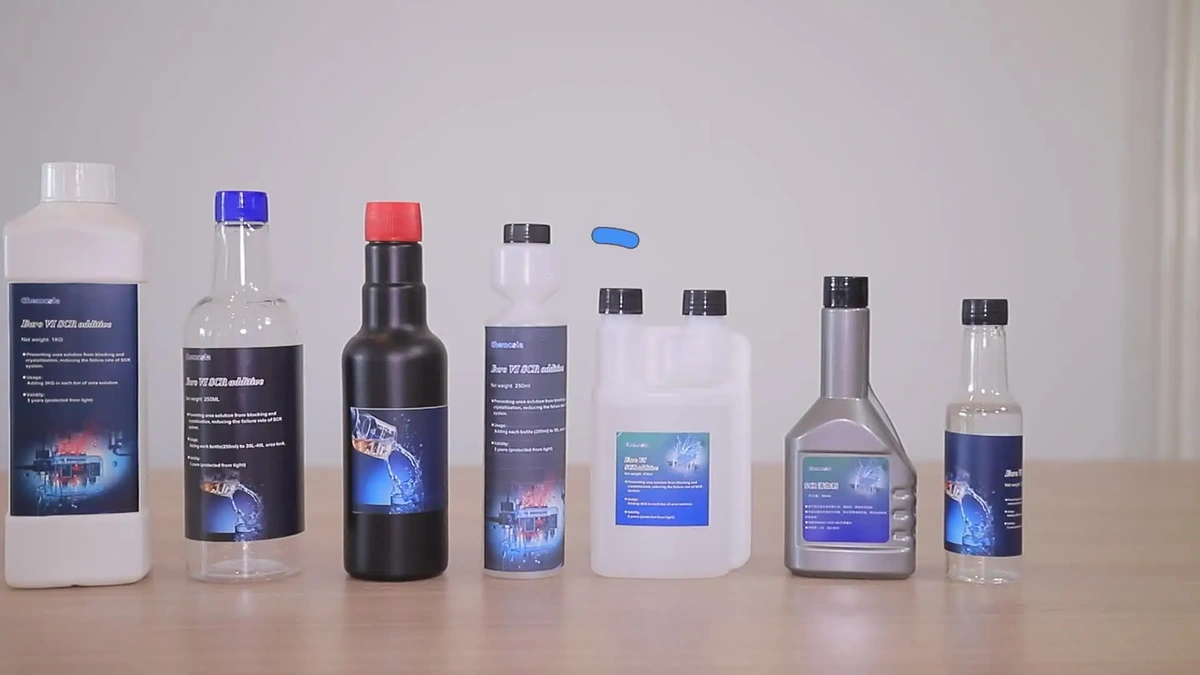
So, what is automobile grade urea, anyway? Essentially, it’s a high-purity urea solution used in a system called Selective Catalytic Reduction (SCR). Think of SCR as a sophisticated pollution control technology in diesel vehicles. It converts harmful nitrogen oxides (NOx) in exhaust fumes into harmless nitrogen and water. The magic ingredient that makes this happen? Automobile grade urea , also known as Diesel Exhaust Fluid (DEF). But, and this is a big but, not just any urea will do. It needs to be incredibly pure to avoid damaging the sensitive SCR system. Imagine using the wrong fuel in your fancy sports car – you wouldn’t, right? It’s the same principle. The quality of urea solution for diesel vehicles is paramount.
And why is this important? Well, India’s been cracking down on vehicular emissions, especially in major cities. Regulations like Bharat Stage VI (BSVI), equivalent to Euro 6 standards, have made SCR systems virtually mandatory for diesel vehicles. Therefore, the demand for high-quality automobile grade urea is skyrocketing. This order for A-1 Ltd. signifies that the company is playing a critical role in emission control for the automotive industry. Let me rephrase that for clarity: This isn’t just a win for A-1; it’s a small victory for cleaner air in India.
The BSVI Revolution and the Rising Demand for DEF
Let’s be honest, the transition to BSVI norms has been a game-changer. It’s pushed automakers to adopt advanced emission control technologies, and that’s where diesel exhaust fluid comes in. The BSVI regulations demand a significant reduction in NOx emissions compared to previous standards. As per the guidelines, this means practically all new diesel vehicles, from cars to trucks, need SCR systems and, therefore, a constant supply of automobile grade urea. This Rs 127.5 cr order hints at the scale of the urea supply chain now required to keep India’s vehicles compliant and on the road.
The Indian automotive sector is not just manufacturing vehicles, it’s also becoming a key supplier of the solution to make vehicles environmentally compliant. Vehicle sales may fluctuate, but the need for cleaner technology is only going to grow.
A-1 Ltd’s Strategic Advantage
This victory highlights A-1 Ltd’s strategic positioning in a growing market. What fascinates me is how a company can leverage regulatory changes to create new business opportunities. They’ve clearly invested in the infrastructure and expertise to produce high-purity urea at scale, meeting the stringent requirements of the automotive industry. The company is definitely prepared to be a major force in the automotive industry .
But it’s not just about having the capacity to produce. It’s also about having the right certifications and quality control processes in place. Automakers need to trust that the urea they’re using won’t damage their vehicles’ SCR systems. A-1 Ltd winning this order suggests they’ve cleared those hurdles and established themselves as a reliable supplier. This could potentially lead to even bigger contracts down the line, not only within India but perhaps even for export, making it a key player in the urea market .
Looking Ahead | The Future of Automobile Grade Urea in India
So, what’s next? The demand for automobile grade urea is only expected to increase as more BSVI-compliant vehicles hit the roads and older vehicles are gradually phased out. We’re also likely to see advancements in urea production technology, making it even more efficient and cost-effective. Furthermore, the government might introduce even stricter emission standards in the future, further fueling the demand for SCR systems and high-quality urea. As revenue growth risks , the business outlook for companies like A-1 Ltd looks promising in the years to come.
What fascinates me is the ripple effect. More companies will likely enter the market, increasing competition and driving innovation. We might even see the development of alternative emission control technologies. One thing’s for sure: the journey towards cleaner transportation in India is just getting started, and automobile grade urea is playing a vital role. The growth of companies producing and supplying urea for vehicles will continue to fuel a greener automotive sector.
FAQ Section
Frequently Asked Questions
Where can I buy automobile grade urea for my BSVI diesel car?
You can find it at most petrol pumps, auto parts stores, and online retailers. Look for products labeled as Diesel Exhaust Fluid (DEF) that meet ISO 22241 standards.
How often do I need to refill the DEF tank in my car?
It depends on your driving habits and the size of your DEF tank. Most cars will give you a warning when the level is low. Generally, expect to refill every few thousand kilometers. Make sure you are using high purity urea for optimal performance.
Can I use regular fertilizer urea in my car’s SCR system?
Absolutely not! Fertilizer urea contains impurities that can damage the sensitive SCR system. Always use automobile grade urea that meets the required purity standards. Using the wrong urea composition can cause extensive damage and costly repairs.
Is automobile grade urea corrosive?
Yes, it can be mildly corrosive to some metals. It’s best to avoid spilling it on your car’s paint or other surfaces. If you do spill some, wipe it off immediately with a damp cloth.
What happens if I run out of DEF while driving?
Your car’s engine control unit (ECU) will likely limit engine power or even prevent the car from starting to prevent excessive emissions. It’s essential to keep your DEF tank topped up. Refer to your vehicle manual for specifics.
So, there you have it. A-1 Ltd’s big win is more than just a business deal. It’s a sign of India’s commitment to cleaner air and a testament to the growing importance of emission reduction technologies in the automotive industry.


