
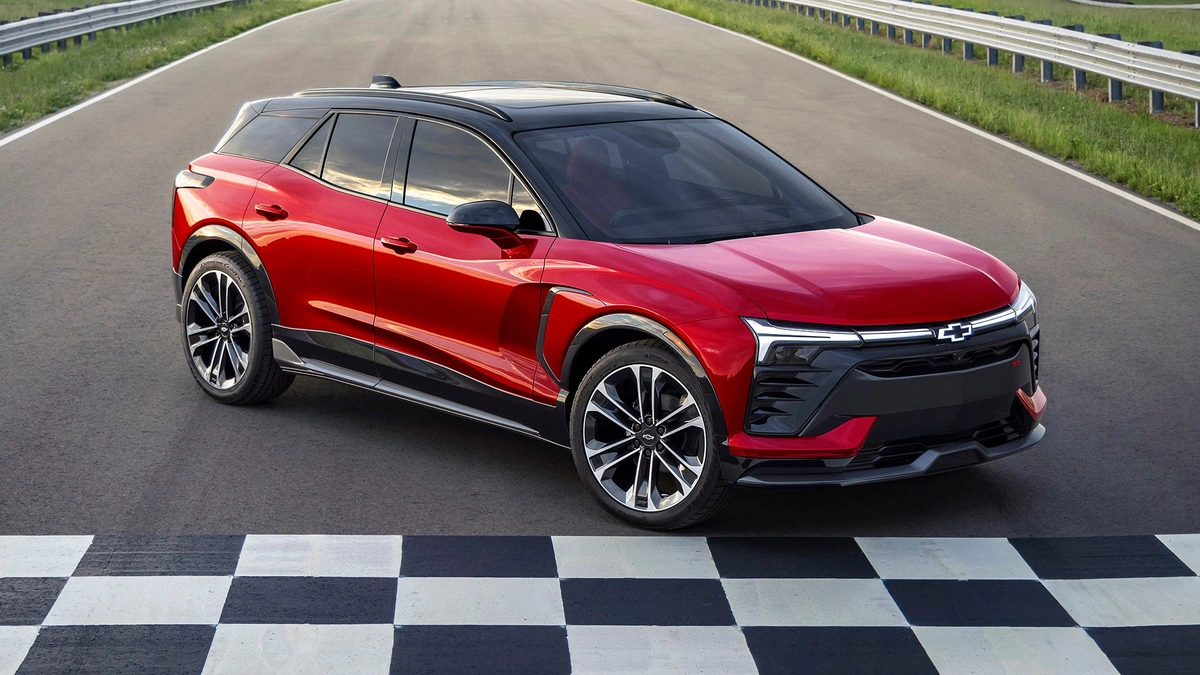
The buzz around electric cars in India is undeniable. You see them silently zipping through traffic, charging stations popping up like mushrooms after the monsoon, and government policies pushing for quicker adoption. But, here’s the thing – a quiet revolution is brewing, and Chinese brands are playing a surprisingly significant role.
I initially thought this was a simple story of market entry, but digging deeper revealed a far more complex narrative. Let’s be honest, the Indian automotive market is a tough nut to crack. It’s fiercely competitive, price-sensitive, and deeply attached to legacy brands. So, how are these Chinese players not just surviving but actually thriving? That’s the question we need to unpack.
Why Chinese Electric Cars are Gaining Traction in India
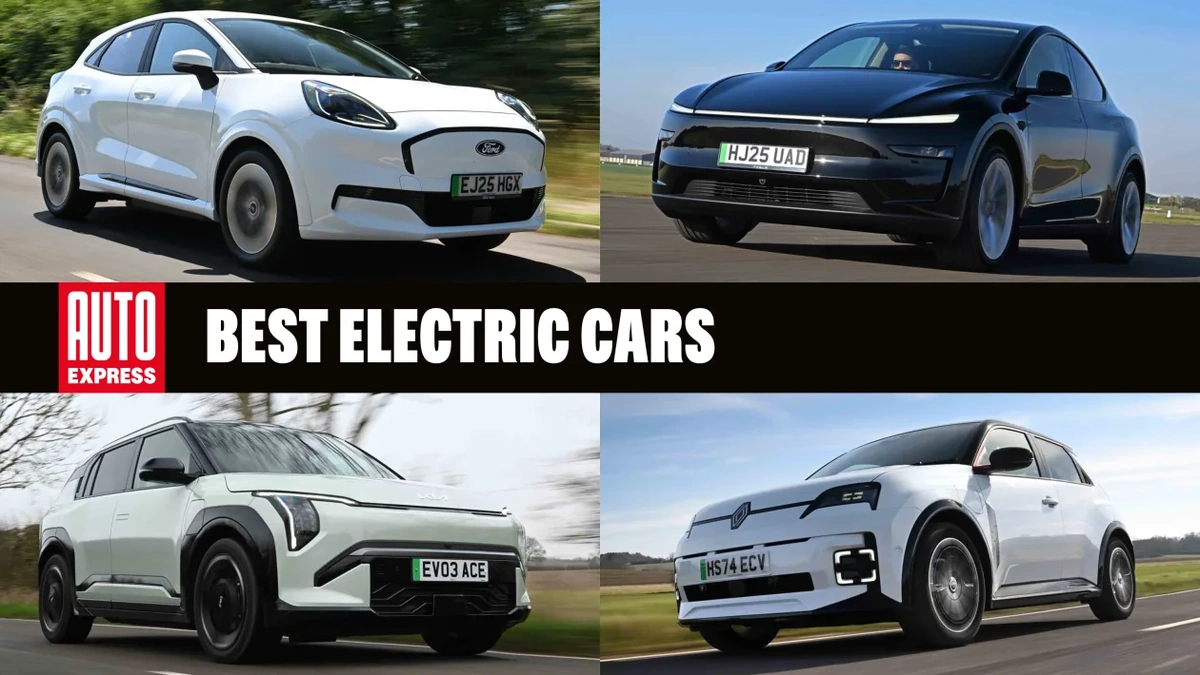
Price, price, and price! That’s the most obvious answer. Chinese EV manufacturers often offer vehicles at a more competitive price point compared to their European or American counterparts. And in a market like India, where value for money is king, this is a huge advantage. But it’s not just about being cheap; it’s about offering a compelling package at an affordable price. Think about it – a decent range, modern features, and a price tag that doesn’t break the bank. That’s a sweet spot. These vehicles often have advanced features, such as touch-screen displays and connected car technology, which are increasingly important to tech-savvy Indian consumers.
But, there’s more to it than just affordability. The speed of innovation in the Chinese EV sector is astonishing. They are rapidly iterating on designs, battery technology, and software integration. This allows them to bring newer and more appealing models to the market quicker than some established players. Look at the global EV market share , it’s clear the China is a powerhouse.
The Government’s Role in Shaping the Electric Vehicle Landscape
The Indian government is actively promoting the adoption of electric vehicles through various incentives and policies. Subsidies on purchase, tax breaks, and the development of charging infrastructure are all contributing to a more favorable environment for EVs. For example, the FAME (Faster Adoption and Manufacturing of (Hybrid &) Electric Vehicles) scheme provides financial support to buyers. What fascinates me is how these policies are leveling the playing field, allowing newer entrants, including Chinese brands, to compete effectively. Think about it – reduced import duties on certain components can significantly lower the overall cost of manufacturing, benefiting everyone involved. And that helps these cars compete within the overall India automotive market.
And, the push for local manufacturing is another key aspect. The government is encouraging companies to set up production facilities in India, which would further reduce costs and create jobs. This is where Chinese automakers have a potential edge, given their manufacturing prowess and experience in scaling up production.
Challenges and Opportunities for Chinese EV Brands in India
Let’s be real – it’s not all sunshine and roses. Chinese brands face several challenges in the Indian market. Brand perception is a major hurdle. There’s a lingering perception that Chinese products are of lower quality, a stereotype that needs to be overcome through consistent performance and reliability. Building trust takes time and requires a long-term commitment to the market. Service and after-sales support are also crucial. Indian consumers expect readily available spare parts, competent technicians, and a hassle-free ownership experience. Chinese companies need to invest in building a robust service network to address these concerns. And of course, they will need to navigate the complex Indian automotive industry.
But, the opportunities are immense. The Indian electric car market is still in its nascent stages, with huge potential for growth. As awareness increases, charging infrastructure improves, and prices become more competitive, demand is expected to surge. Chinese brands, with their competitive pricing and technological capabilities, are well-positioned to capitalize on this growth.
What the Future Holds | A Look at the Road Ahead
So, what can we expect in the coming years? I predict that Chinese EV brands will continue to gain market share in India, particularly in the affordable segment. We’ll likely see more collaborations and partnerships between Indian and Chinese companies, leveraging each other’s strengths. But, the key to long-term success will be building trust and delivering a superior ownership experience. Let me rephrase that for clarity: It’s not enough to just sell cars; you need to build a brand that resonates with Indian consumers.
The entry of Chinese electric car manufacturers in India is changing the automotive industry in a number of ways. They have brought innovative features, such as advanced driver-assistance systems, infotainment systems, and connectivity options, to the Indian market. By offering high-tech features at competitive prices, Chinese automakers have encouraged other manufacturers to up their game. This has led to greater competition and ultimately benefits consumers who now have access to a wider range of options. According to a recent report on the official NITI Aayog website, India’s EV industry is set to grow 49% annually until 2030.
Looking ahead, I think we’ll see Chinese brands continue to refine their offerings, adapt to local preferences, and invest in building a strong brand presence. The Indian electric vehicle market is not a sprint; it’s a marathon. And those who are willing to play the long game are the ones most likely to succeed. And that’s something important to think about.
FAQ Section
Are Chinese electric cars reliable?
Reliability can vary between brands and models. It’s always a good idea to research specific models and read customer reviews before making a purchase.
What about charging infrastructure for EVs in India?
The charging infrastructure is still developing but is growing rapidly. Government initiatives and private companies are investing in expanding the network.
Are there any safety concerns with Chinese EVs?
All cars sold in India must meet certain safety standards. It’s important to check the safety ratings and features of any vehicle you’re considering.
What if I’m concerned about after-sales service?
Check the availability of service centers and spare parts in your area before buying a Chinese EV. A strong service network is crucial for a good ownership experience.
How do subsidies work for electric cars in India?
Subsidies are typically offered by the central and state governments and can reduce the purchase price of an EV. Check the specific schemes available in your region.
So, the next time you see an electric car silently gliding by, remember that there’s a complex story unfolding beneath the surface – a story of ambition, innovation, and the changing landscape of the Indian automotive market.