
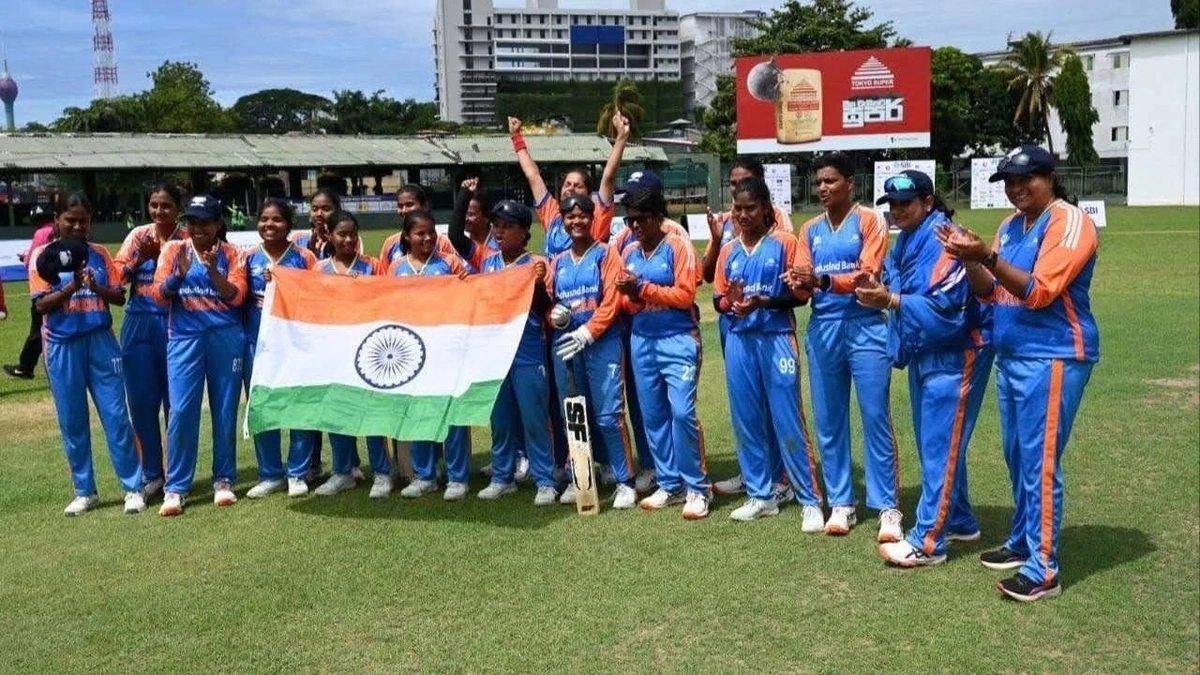
Let’s be honest, sports headlines can feel a bit…same-y. But every now and then, a story punches through the noise and grabs you. The Blind Women’s T20 World Cup isn’t just a cricket tournament; it’s a powerful reminder of resilience, skill, and the unifying spirit of sports. But why should you, sitting here in India, care beyond a fleeting news update? That’s what we’re diving into.
More Than Just a Game: The “Why” Behind the World Cup
It’s easy to see the surface level: a sporting event, teams competing, winners and losers. But that’s missing the real story. What fascinates me is the way this tournament challenges perceptions of what’s possible. The Cricket Association for the Blind in India (CABI), according to ESPN , has played a pivotal role in promoting cricket for the visually impaired, not just in India but globally. The tournament wasn’t just about runs and wickets. It was about proving a point – that disability is not inability. India winning the Blind Women’s T20 World Cup is a testament to the power of sports to overcome adversity.
Think about it: the level of skill and coordination required to play cricket, even with sight, is immense. Now imagine doing that with visual impairment. The players use auditory cues, tactile methods, and incredible spatial awareness. This isn’t just adaptation; it’s mastery. Their success sends ripples far beyond the cricket pitch. It inspires countless individuals facing their own challenges, proving that with determination, anything is achievable. And, by the way, this victory wasn’t just luck; it was the result of years of dedicated training and a robust domestic cricket structure for the blind.
The Indian Context: A Nation Embracing Inclusivity
India, a nation obsessed with cricket, has a special responsibility here. While mainstream cricket enjoys unparalleled popularity and investment, para-sports often struggle for recognition and resources. The Blind Women’s T20 World Cup victory provides a golden opportunity to bridge that gap. It’s a chance for the Board of Control for Cricket in India (BCCI) to step up and provide greater support for visually impaired cricketers, ensuring they have access to the same training facilities, equipment, and opportunities as their sighted counterparts.
But here’s the thing: it’s not just about financial support. It’s about changing attitudes. This victory should be a catalyst for greater inclusivity in all spheres of life. From workplaces to educational institutions, we need to create environments where people with disabilities can thrive. The players in the Blind Women’s T20 World Cup have shown us what’s possible; now it’s our turn to create the ecosystem for them to succeed. We must also acknowledge the significance of para-sports and the battles para-athletes overcome to reach such levels.
Navigating the Challenges: The Road Ahead for Blind Cricket
So, what are the challenges and prospects for blind cricket ? Well, a significant hurdle is awareness. Many people are simply unaware that blind cricket exists, let alone the level of skill and competition involved. Greater media coverage, both mainstream and digital, is crucial to raising the profile of the sport and attracting new players and sponsors. And that’s where you come in – sharing this story helps make a difference.
Another challenge is accessibility. Ensuring that visually impaired cricketers have access to appropriate training facilities, coaches, and equipment can be difficult, especially in rural areas. Investing in infrastructure and providing specialized training programs are essential steps to nurturing talent and promoting the growth of the sport. Financial backing is vital to ensuring tournaments and international cricket for the blind can take place.
How to Get Involved: Supporting Blind Cricket in India
Want to make a difference? There are several ways you can support blind cricket in India. Firstly, spread the word. Share stories like this one on social media, talk to your friends and family, and help raise awareness about the sport. Secondly, consider donating to organizations like CABI, which work tirelessly to promote blind cricket and provide opportunities for visually impaired cricketers. You can also volunteer your time and skills to help with coaching, fundraising, or event management. The smallest act of support can make a big difference.
And let’s be honest, attending a match is an experience like no other. Hearing the sounds of the game, the cheers of the crowd, and the sheer determination of the players is truly inspiring. Keep an eye out for local matches and tournaments in your area, and show your support for these incredible athletes.
This victory is more than just a trophy. It’s a beacon of hope, a testament to the power of the human spirit, and a call to action. Let’s celebrate this achievement and work together to create a more inclusive and equitable society for all. You can even explore more about the Blind Women’s Cricket Team .
FAQ: Your Questions Answered About Blind Cricket
How does blind cricket actually work?
Blind cricket uses a special ball filled with ball bearings that make a sound, allowing players to track it. There are different categories of sight, and players are classified accordingly.
What are the different sight categories in blind cricket?
Players are classified into B1 (totally blind), B2 (very low vision), and B3 (partially sighted). Rules are adapted to ensure fair play across these categories.
How can I find out about local blind cricket matches?
Check the CABI website or social media pages for announcements of upcoming tournaments and matches in your region.
What if I want to volunteer for a blind cricket organization?
Contact CABI or a local blind cricket association to inquire about volunteer opportunities. They often need help with coaching, fundraising, and event support.
Where can I donate to support blind cricket in India?
You can donate directly to the Cricket Association for the Blind in India (CABI) through their website or designated donation channels.
What are the challenges faced by blind cricketers ?
Accessibility to training facilities, funding, and public awareness remain significant challenges. Continued advocacy and support are essential to address these issues.