

Okay, let’s talk about something that sounds incredibly technical but is actually shaping the future of your car – and maybe even the future of Indian manufacturing. We’re diving deep into the automobile ceramics market , and trust me, it’s more exciting than it sounds. Especially when you realize that it’s projected to hit a whopping USD 2.97 billion by 2030, with alumina ceramics leading the charge, commanding about 42% of the market.
But here’s the ‘why’ that really grabbed my attention: This isn’t just about fancy materials; it’s about efficiency, durability, and ultimately, making cars that last longer and perform better, even in the harsh conditions we often face on Indian roads. So, let’s peel back the layers and understand what’s driving this ceramic revolution in the auto industry. And what opportunities it could bring to the Indian Automotive landscape?
The Unsung Hero | Why Alumina is Dominating

So, what makes alumina so special? Let’s be honest, most of us probably haven’t thought about it since high school chemistry, but here’s the thing: Alumina (Aluminum Oxide) boasts an incredible combination of properties that make it perfect for automotive applications. We are talking about high hardness, exceptional wear resistance, and impressive thermal stability. Think about brake pads that last longer, spark plugs that perform consistently, and sensors that can withstand extreme temperatures. These are the kinds of advantages alumina brings to the table. And its cost-effectiveness compared to some other advanced ceramics helps, too.
I initially thought it was simply about cost, but then I realized it goes deeper. It’s about finding the right balance between performance and affordability – a sweet spot that makes alumina the go-to choice for many manufacturers. But, But here’s what fascinates me – it could be a sign that the industry is prioritizing long-term value over short-term gains, focusing on components that reduce maintenance and improve overall vehicle lifespan.
Beyond Brakes | Where Else Are Ceramics Making a Difference?
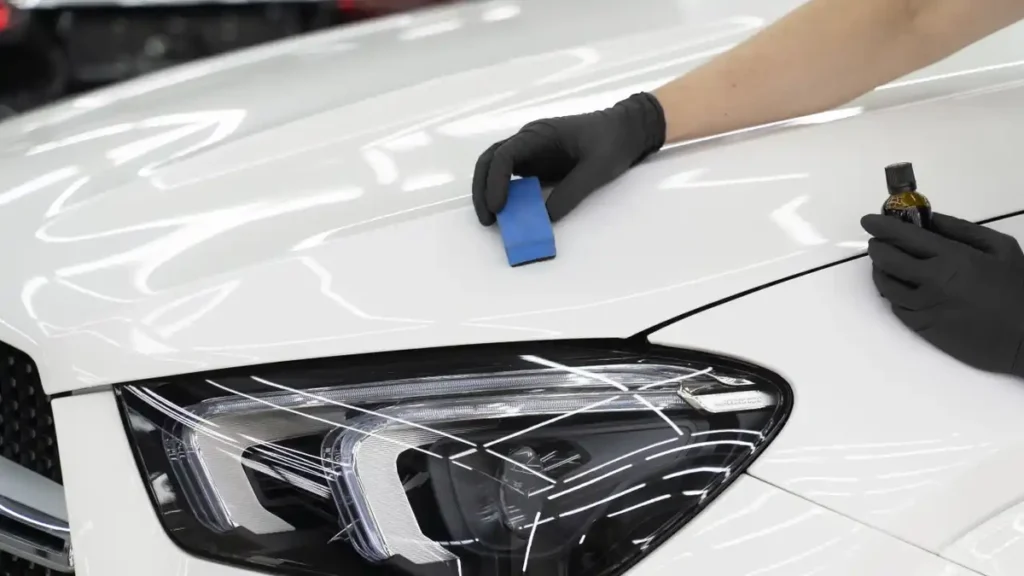
While brake pads are probably the most well-known application, the use of automotive ceramics extends far beyond. Think about sensors that monitor engine performance, fuel injectors that ensure efficient combustion, and even coatings that protect engine components from corrosion. All of these benefit from the unique properties of ceramics.
Here’s the thing:Automobile manufacturersare constantly looking for ways to improve fuel efficiency and reduce emissions. And ceramics play a crucial role in achieving these goals. By enabling more precise control over engine functions and protecting components from wear and tear, ceramics help vehicles run cleaner and more efficiently. What fascinates me is how this could lead to a new generation of vehicles that are both environmentally friendly and cost-effective to maintain.
And, the innovations don’t stop there. Research is underway to explore the use of ceramics in other areas, such as solid-state batteries and even structural components. The potential is huge.
The Indian Angle | Opportunities and Challenges
So, what does all of this mean for India? Well, with the Indian automotive industry growing rapidly, the demand for high-performance components is only going to increase. This presents a significant opportunity for Indian manufacturers to step up and become key players in the global automotive ceramics market . But, it’s not without its challenges.
One of the biggest hurdles is the need for specialized manufacturing processes and equipment. Producing high-quality ceramic components requires a high level of precision and expertise. Indian companies will need to invest in training and technology to compete effectively. Also, sourcing high-purity raw materials can also be a challenge. What I am trying to say is that India needs to develop a robust supply chain to support the growth of the automotive ceramics industry.
I initially thought it would be all doom and gloom, but then I realized something crucial: India has a strong base in materials science and engineering. By leveraging this expertise and fostering collaboration between industry and academia, India can overcome these challenges and emerge as a major hub for automotive ceramic production . The potential boost to the economy could be significant.
The Future is Ceramic | A Glimpse into 2030
Let’s fast forward to 2030. What will the automobile ceramics market look like then? Well, if the projections are accurate, it will be a multi-billion dollar industry, driven by the increasing demand for electric vehicles and the need for more durable and efficient components. The reliance on zirconia and other alternatives could grow as well.
What fascinates me is how ceramics will be used in ways we can’t even imagine today. Think about self-healing coatings that repair minor scratches, or advanced sensors that can detect potential problems before they even occur. Ceramics could revolutionize the way we design, manufacture, and maintain vehicles. Imagine the possibilities.
And, the environmental benefits could be huge. By enabling lighter, more efficient vehicles, ceramics can help reduce fuel consumption and emissions. This aligns perfectly with the global push towards sustainable transportation.
Final Thoughts | The Silent Revolution
The growth of the automotive ceramics market might not be making headlines every day, but it’s a silent revolution that’s transforming the cars we drive. From alumina brake pads to advanced sensors, ceramics are playing a crucial role in improving performance, durability, and efficiency. I am saying that with its growing automotive industry and strong base in materials science, India has a unique opportunity to become a major player in this exciting field. It’s not just about the numbers; it’s about creating a future where cars are safer, cleaner, and more reliable – a future made possible by the power of ceramics. The increasing demand for silicon carbide components could also shift the dynamics.
FAQ Section
What exactly are automotive ceramics, anyway?
They’re non-metallic, inorganic materials with exceptional properties like high hardness, wear resistance, and thermal stability, used in various car components.
Why is alumina such a big deal in this market?
Alumina strikes a great balance between performance and cost-effectiveness, making it a popular choice for many automotive applications.
Are ceramics only used in high-end, luxury cars?
Not at all! While they might be more prevalent in high-performance vehicles, ceramics are increasingly being used in mainstream cars to improve durability and efficiency.
What’s the biggest challenge for Indian companies looking to enter this market?
The need for specialized manufacturing processes, equipment, and skilled workforce is a significant hurdle. Investment in training and technology is crucial.
How do I learn more about this trend of the automotive ceramics market?
Keep an eye on industry publications, attend automotive technology conferences, and follow research developments in materials science. Check out Markets and Markets and other leading research houses.
Will this mean my car will last longer?
Potentially, yes! By using ceramic components, manufacturers can improve the durability and lifespan of various parts, leading to a more reliable vehicle overall.


