

The automobile industry, a behemoth of global commerce, is undergoing a fascinating transformation. We often hear about electric vehicles, semiconductor shortages, and changing consumer preferences, but there’s a quieter, yet equally important, story unfolding: the surging demand for aluminum. But here’s the thing: it’s not just more cars being made; it’s the way cars are being made that’s driving this aluminum boom. Let’s dive into why. This growth isn’t just a blip; it’s a fundamental shift with implications for the auto industry, the aluminum market, and even the environment.
Why Aluminum? Weight, Efficiency, and the EV Revolution
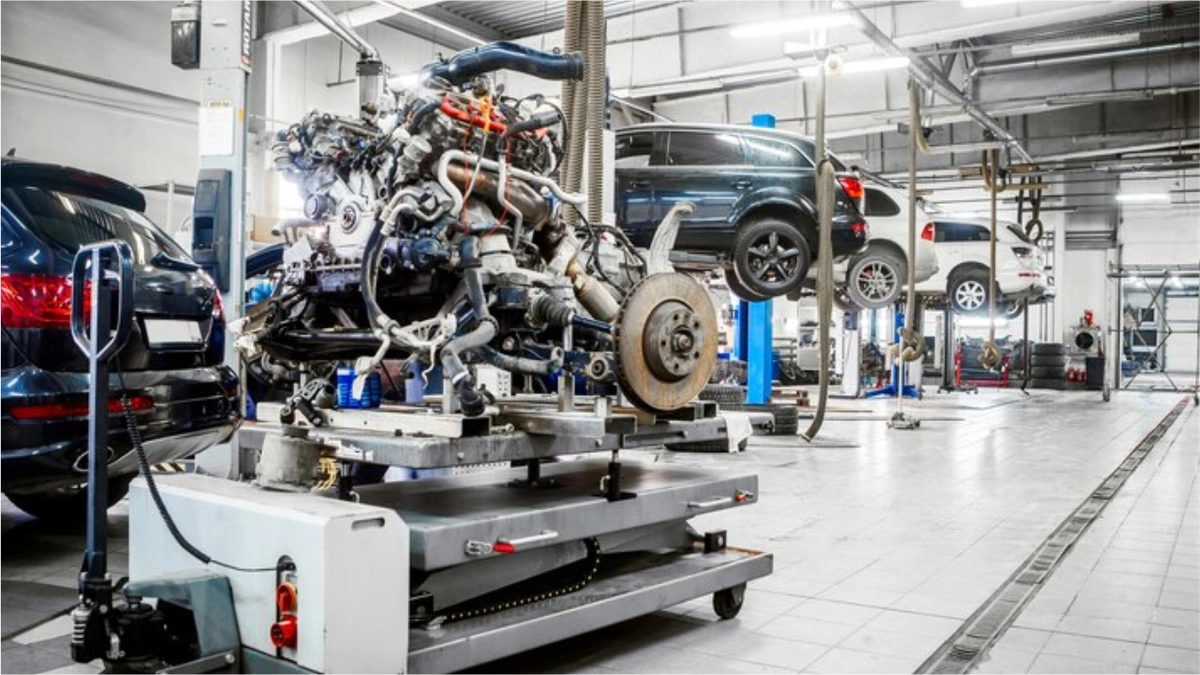
So, why aluminum? The answer is multifaceted. Primarily, it boils down to weight. Automakers are under immense pressure to improve fuel efficiency and reduce emissions. Aluminum is significantly lighter than steel – we’re talking about a potential weight reduction of up to 50% in some vehicle components. This translates directly into better fuel economy for traditional combustion engines and extended range for electric vehicles (EVs). As governments worldwide tighten emissions standards and consumers increasingly demand eco-friendly vehicles, the use of aluminum becomes less of a choice and more of a necessity. But it’s also about performance. A lighter car accelerates faster, handles better, and feels more responsive. And in the EV world, every kilogram counts towards squeezing out those extra kilometers of range. Beyond that, there’s the recyclability factor. Aluminum is infinitely recyclable without losing its properties, making it a sustainable material choice, aligning with the growing emphasis on circular economy principles. According to the Aluminum Association, nearly 75% of all aluminum ever produced is still in use today. That’s a powerful statistic.
This shift also impacts the types of vehicles we’re seeing. The resurgence of American automakers in the global market is partly driven by their willingness to embrace new materials and manufacturing techniques. The use of high-strength aluminum alloys is becoming increasingly prevalent in truck and SUV production as well, not just in smaller cars.
The Impact on the Aluminum Market | A Supply Chain Perspective
What fascinates me is the ripple effect this increased demand has on the aluminum market itself. The industry is scrambling to increase production capacity to meet the soaring needs of automakers. This involves significant investment in new smelters, refineries, and recycling facilities. It’s not a simple matter of turning on a tap; it requires careful planning, resource management, and technological innovation. And, of course, there are geopolitical considerations. The supply of raw materials needed to produce aluminum, such as bauxite, is concentrated in certain regions, creating potential vulnerabilities in the supply chain. The ongoing conflict in Ukraine, for example, has highlighted the fragility of global supply chains and the need for diversification. Let me rephrase that for clarity: automakers and aluminum producers are now actively seeking to secure alternative sources of supply to mitigate risks and ensure a stable flow of materials. So, it goes without saying that the prices of aluminum products are influenced by these activities.
The demand for aluminum extends beyond just the car’s body. Aluminum castings are used extensively in engine blocks, transmission housings, and other critical components. The development of new aluminum alloys with enhanced strength and heat resistance is further expanding its applications in the auto industry. According to a report by Alcoa, the average aluminum content in a new vehicle is expected to increase by over 25% by 2030. That’s a significant jump.
Challenges and Opportunities | Navigating the Road Ahead
But, like any major industrial shift, there are challenges. The production of aluminum is energy-intensive, and concerns about the carbon footprint of aluminum manufacturing are growing. The industry is actively exploring ways to reduce its environmental impact, including investing in renewable energy sources and developing more efficient production processes. The use of recycled aluminum is also gaining traction as a way to lower the carbon footprint of the metal. One common mistake I see is people overlooking the importance of sustainable sourcing. Consumers are increasingly demanding that products be made responsibly, and automakers are responding by seeking out suppliers who adhere to strict environmental standards. Also, there is the issue of cost. Aluminum is generally more expensive than steel, which can impact vehicle prices. Automakers are working to optimize their designs and manufacturing processes to minimize the cost differential. This includes using advanced forming techniques and exploring new joining methods, such as adhesive bonding and self-piercing rivets.
Furthermore, it is essential to focus on sustainable aluminum production. But, with these challenges come opportunities. The growing demand for aluminum is creating new jobs in the aluminum industry and related sectors. It’s also driving innovation in materials science and manufacturing technology. Companies that can develop new, more efficient, and more sustainable ways to produce aluminum will be well-positioned to thrive in the years to come. Additionally, as EVs continue to gain market share, the demand for aluminum is only expected to increase further. This creates a long-term growth opportunity for the aluminum industry.
The Indian Context | A Growing Market for Automobiles and Aluminum
So, what does all this mean for India? Well, India is one of the fastest-growing automobile markets in the world. As incomes rise and infrastructure improves, more and more Indians are buying cars. And as the Indian government pushes for greater fuel efficiency and promotes the adoption of EVs, the demand for aluminum is set to surge in India as well. What fascinates me is the potential for India to become a major hub for aluminum production and automotive manufacturing. The country has abundant reserves of bauxite and a skilled workforce. By investing in modern aluminum production facilities and promoting the adoption of advanced manufacturing technologies, India can capitalize on the global trend towards lightweighting and sustainable transportation. And it is important to remember that aluminum is not just for cars! It plays a crucial role in many industries, from aerospace to construction.
However, India also faces its own set of challenges. The country’s aluminum industry is heavily reliant on coal-fired power plants, which contribute to air pollution. To promote sustainable growth, India needs to transition to cleaner energy sources and invest in more efficient aluminum production technologies. The government is already taking steps in this direction, with initiatives such as the National Aluminium Programme, but more needs to be done. Also, infrastructure bottlenecks and bureaucratic hurdles can hinder the growth of the aluminum industry. Streamlining regulations and improving transportation infrastructure will be crucial to unlocking India’s full potential. The automotive sector needs high-quality aluminum parts.
Looking Ahead | The Future of Aluminum in the Automobile Industry
The future of aluminum in the automobile industry looks bright. As the world transitions to a more sustainable transportation system, the demand for lightweight, recyclable materials like aluminum will only continue to grow. Companies that can embrace innovation, invest in sustainable practices, and adapt to the changing needs of the auto industry will be the winners in the long run. And for consumers, this means lighter, more efficient, and more environmentally friendly cars. So, the next time you see an aluminum car body, remember that it’s not just a metal; it’s a symbol of a changing world. It represents the convergence of technology, sustainability, and consumer demand – a powerful force that’s reshaping the future of transportation. As per experts, the next 5 years will be crucial for aluminum. The future of automotive materials relies heavily on it.
FAQ
What are the primary benefits of using aluminum in cars?
Aluminum reduces vehicle weight, improving fuel efficiency and range. It’s also recyclable and contributes to better performance.
Is aluminum more expensive than steel for car manufacturing?
Generally, yes, but automakers are optimizing designs and manufacturing to minimize the cost difference.
How does the increased use of aluminum impact the environment?
Aluminum production can be energy-intensive, but the industry is working to reduce its carbon footprint through renewable energy and recycling.
What’s the role of recycled aluminum in the auto industry?
Recycled aluminum significantly lowers the carbon footprint of car manufacturing and promotes sustainability.
How is the Indian automobile industry adapting to this trend?
India, being a fast-growing automobile market, is investing in aluminum production and promoting EV adoption, driving demand for aluminum.
What is the forecast of aluminum growth in the next decade?
The average aluminum content in new vehicles is expected to increase by over 25% by 2030.