
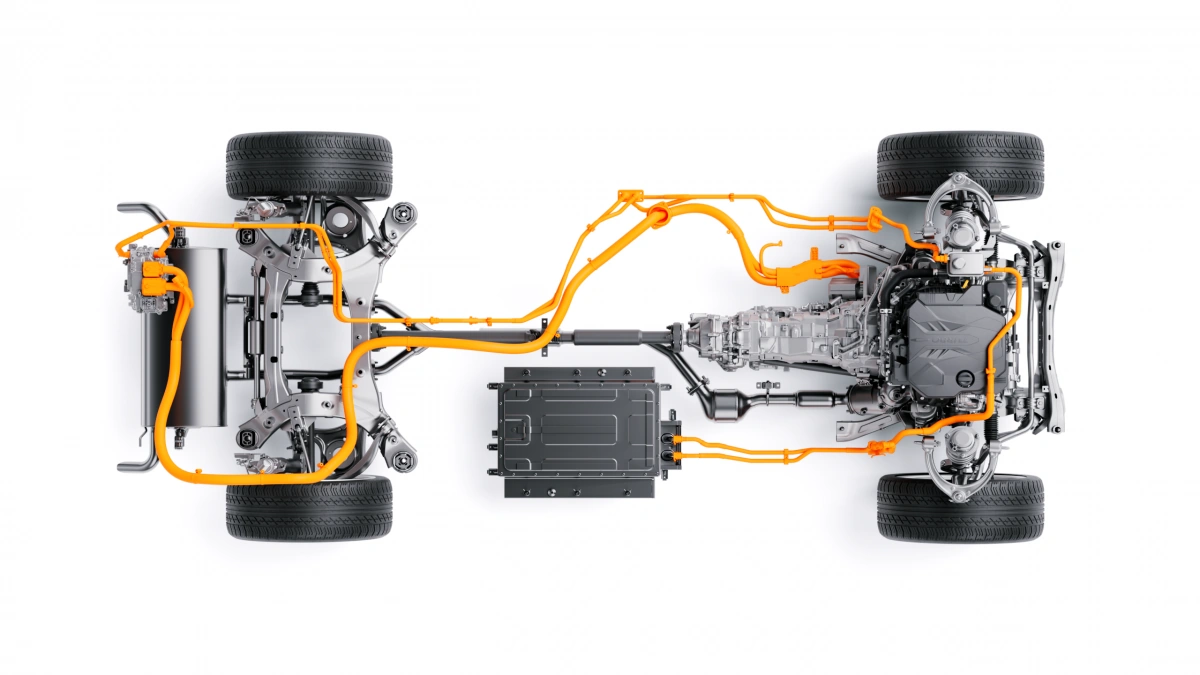
Okay, let’s be honest, when you hear about a powertrain cranking out 2031 horsepower, your first thought is probably some ridiculously expensive hypercar. But Denmark? A box? It sounds like a Lego project gone wild! But here’s the thing: this isn’t some vaporware concept. This is happening. And the implications for the future of electric vehicles, and even industries beyond automotive, are HUGE.
What fascinates me isn’t just the sheer power – although, let’s be real, that’s a massive part of it. It’s the ‘why’. Why is this happening now, and why is it coming from Denmark? Let’s dive into what makes this so groundbreaking and what it could mean for you (yes, even you, sitting in India!).
The “Box” | More Than Just Brute Force
So, this isn’t your average engine swap. The “Box,” developed by a Danish company called Dyno Equipment, is being touted as the world’s most powerful dynamometer powertrain. It’s designed not for putting into a car, but for TESTING. Think of it as the ultimate torture chamber for anything that produces power. They can use it to test electric motors, gas engines – any transmission system that spins.
But, and this is a big ‘but’, the technology that allows this machine to handle such immense power is genuinely innovative. We’re talking about next-generation cooling systems, advanced materials science, and some seriously clever engineering. This innovation is designed to enhance powertrain durability and allow engineers to push the limits of performance.
Now, you might be thinking, “Okay, cool. But why should I care about a testing machine?” Here’s where it gets interesting. This kind of capability means faster development cycles for EVs, more reliable components, and, ultimately, better performing electric vehicles on the road for the consumer.
Denmark’s Secret Weapon | Innovation Ecosystem
Why Denmark, though? It’s not exactly known as a global automotive manufacturing hub. The answer, I think, lies in Denmark’s robust innovation ecosystem. The country has invested heavily in renewable energy technologies and fosters a collaborative environment between universities, research institutions, and private companies.
Plus, don’t underestimate the importance of government support. Policies that encourage sustainable development and incentivize technological advancement create a fertile ground for companies like Dyno Equipment to thrive. This isn’t just about one company building a powerful powertrain tester; it’s about a national commitment to pushing the boundaries of what’s possible.
And, frankly, that’s something India can learn from, as it increases production of Internal Combustion Engines, like the new norms in the automotive sector , and also pushes for EV adoption. Because better testing means better products for everyone.
The Ripple Effect | Beyond Electric Vehicles
Here’s where things get even more intriguing. The advancements in powertrain technology spurred by this “Box” have implications far beyond just electric vehicles. Think about the wind turbine industry, for example. Larger, more efficient turbines require rigorous testing, and the technology developed for the “Box” could easily be adapted for that purpose.
Or consider the aerospace industry. As the world moves towards electric and hybrid aircraft, the need for high-power testing facilities will only increase. Dyno Equipment’s technology could position them as a key player in this emerging market.
And that’s before mentioning the industrial sector. Any machine that uses a high-performance power unit can benefit from this kind of advanced testing. It’s about efficiency, reliability, and pushing the boundaries of what’s possible. So while the headline might be about horsepower, the real story is about innovation, collaboration, and the future of engineering.
But how does this all link with the Indian manufacturing and engineering sector, you might ask? The answer lies in potential collaborations. If Indian firms can develop the necessary infrastructure to partner with Dyno Equipment, it may propel the progress of powertrain development to an unseen extent. This collaboration can significantly reduce India’s dependency on foreign manufacturers and promote local innovation.
Moreover, the development of such advanced testing facilities in India would also open opportunities for research and development in the renewable energy sector. The government should provide opportunities for firms to invest into the sector.
What Does This Mean for the Future?
Let’s be honest, the 2031 horsepower figure is eye-catching, but the real story here is the underlying technology. It represents a significant leap forward in our ability to test and develop high-performance high voltage powertrain. This, in turn, will lead to faster innovation, more reliable products, and a more sustainable future. If anything the automobile industry can benefit from this.
The rise of electric vehicles, the increasing demand for renewable energy, and the relentless pursuit of greater efficiency all point to a future where powertrain technology will play an even more critical role. And Denmark, with its “Box,” is positioning itself at the forefront of this revolution.
And that’s what makes this story so compelling. It’s not just about horsepower; it’s about the future of power itself. This breakthrough is an example of an inventive approach to powertrain engineering. It shows us where the industry is heading.
FAQ
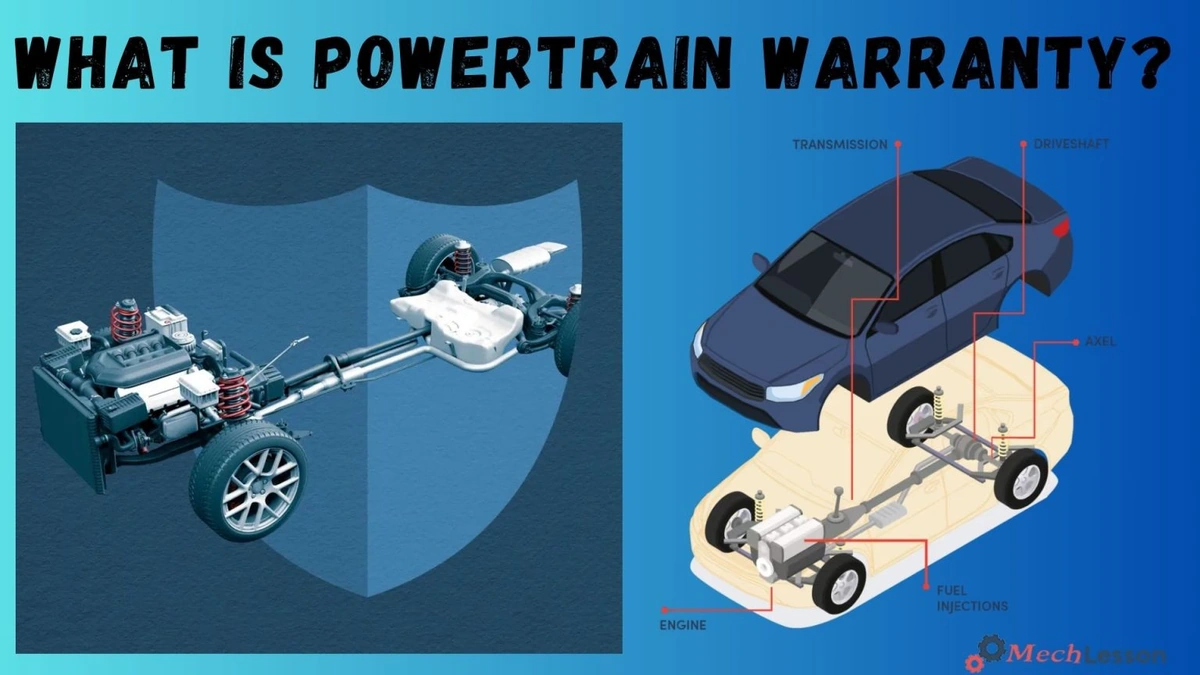
What exactly is a powertrain?
Simply put, the powertrain is everything that makes a vehicle move. It includes the engine, transmission, driveshaft, axles, and wheels.
Why is testing powertrains so important?
Rigorous testing ensures reliability, safety, and optimal performance. It allows engineers to identify weaknesses and improve designs.
Could this technology be used in other industries?
Absolutely! Wind turbine testing, aerospace, and even the industrial sector could benefit from this advanced technology.
How does this impact the average consumer?
Faster development cycles and more reliable components ultimately lead to better-performing and more affordable products for consumers.