
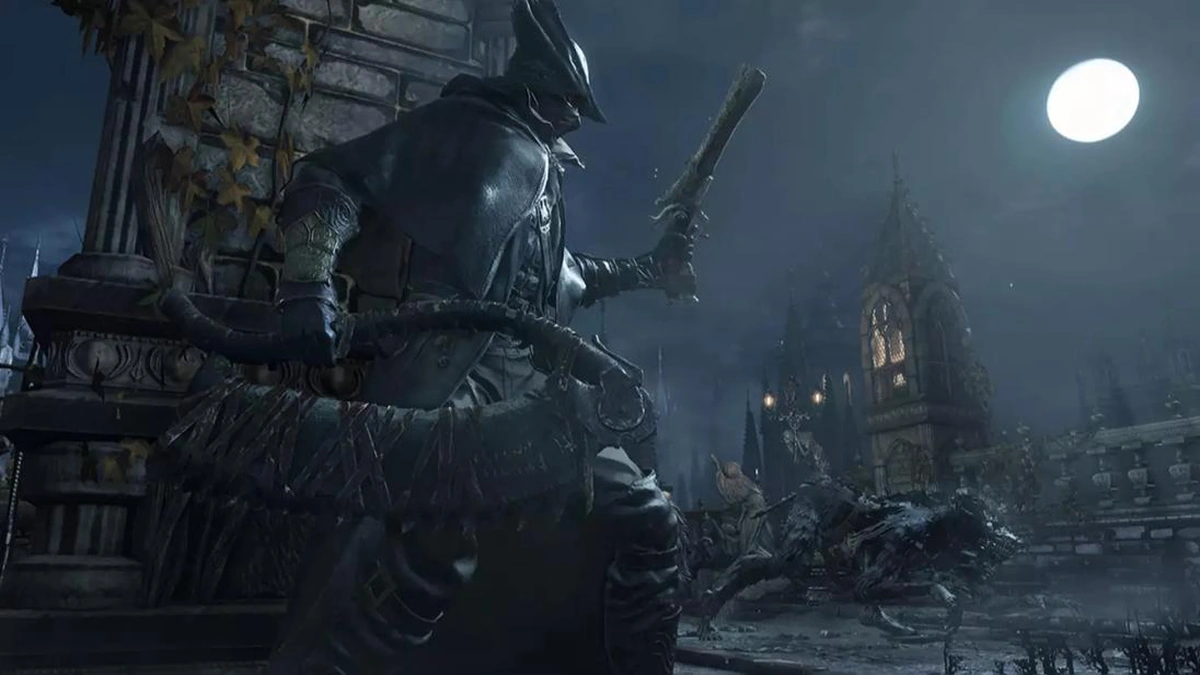
Bloodborne . Just the name sends shivers down the spines of gamers, doesn’t it? But it’s not just about the gothic horror or the challenging combat. There’s something deeper that keeps players coming back years after its release. Let’s dive into why Bloodborne remains a masterpiece, exploring the emotional and psychological hooks that make it so unforgettable.
The Allure of Unraveling a Mystery
What fascinates me about Bloodborne is its narrative. It’s not spoon-fed to you. You’re dropped into Yharnam, a city gripped by a mysterious scourge, and left to piece things together. There are no clear quest markers or helpful NPCs holding your hand. Instead, you must eavesdrop on cryptic conversations, decipher item descriptions, and connect the dots yourself. This encourages exploration and rewards players who are willing to delve into the game’s lore. That satisfaction of finally understanding a piece of the puzzle – that’s what keeps you hooked.
But, it’s more than just solving a mystery. It’s the feeling of being an outsider, a stranger in a hostile land. You’re constantly questioning what’s real, who to trust, and what your role is in this bizarre world. That sense of unease and paranoia is a core part of the Bloodborne experience. And, frankly, it’s brilliant.
Combat as Storytelling: More Than Just Dodging
Let’s be honest, Bloodborne gameplay is tough. Brutally tough, some might say. But the difficulty isn’t just for the sake of being difficult. The aggressive combat system, where you regain health by attacking after taking damage (the Rally system), perfectly reflects the game’s themes of desperation and survival. You can’t just turtle behind a shield; you have to be proactive, take risks, and embrace the hunt.
The visceral nature of the combat adds another layer of storytelling. Every swing of your weapon, every dodge, every visceral attack tells a story of struggle, perseverance, and ultimately, triumph. And the unique weapons ? They’re not just tools; they’re extensions of your character, reflecting your playstyle and personality. The Threaded Cane isn’t for everyone, after all.
The Nightmare and the Cosmic Horror
Here’s the thing: Bloodborne isn’t just a gothic horror game. It’s also heavily influenced by the cosmic horror of H.P. Lovecraft. As you progress, you begin to uncover the disturbing truth behind the Scourge – the existence of Great Ones, otherworldly beings beyond human comprehension. This revelation shifts the tone of the game from gothic horror to something far more unsettling.
This is where the game really gets under your skin. The idea that humanity is just a tiny, insignificant speck in the face of cosmic indifference is a terrifying one. And Bloodborne doesn’t shy away from exploring this theme. It forces you to confront the limitations of human knowledge and the fragility of our existence. Cosmic horror elements are what separates it from many other games.
Why Bloodborne Resonates Today
So, why is Bloodborne still so relevant years after its release? It’s because it taps into something primal within us – our fear of the unknown, our desire to understand the world around us, and our willingness to persevere in the face of adversity. It’s a game that challenges you not just as a player, but as a person. It forces you to confront uncomfortable truths and question your own perceptions of reality.
And let’s not forget the Bloodborne community. Players continue to discuss the lore, share strategies, and create fan art, demonstrating the game’s lasting impact. Bloodborne, despite its difficulty and cryptic nature, offers something truly special, a sense of shared experience and a connection that transcends the virtual world. The Bloodborne limited edition only further stoked that fire!
And the Bloodborne lore? People are still discovering new things, finding deeper meanings in item descriptions and NPC dialogues. The game rewards curiosity like no other.
FAQ About Bloodborne
What makes Bloodborne so difficult?
Bloodborne’s difficulty stems from its aggressive combat system, demanding precise timing, strategic resource management, and a willingness to embrace risk. You must learn enemy patterns and effectively use the Rally system to regain health.
Is Bloodborne a horror game?
Yes, Bloodborne is a horror game, blending gothic and cosmic horror elements. It features grotesque creatures, unsettling environments, and a narrative that delves into the existential dread of the unknown.
How long does it take to beat Bloodborne?
A typical playthrough of Bloodborne takes around 30-40 hours, but completionists can easily spend 60+ hours exploring all the game’s secrets and completing optional content.
Is there a Bloodborne sequel?
As of now, there’s no official announcement of a Bloodborne sequel. However, the game’s popularity and critical acclaim have fueled speculation and demand for a follow-up.
Can I play Bloodborne on PC?
Unfortunately, Bloodborne is currently exclusive to PlayStation consoles (PS4 and PS5 via backward compatibility). There’s no official PC version available.
Ultimately, Bloodborne is a game that stays with you long after you’ve put down the controller. It’s a testament to the power of video games to create truly immersive and unforgettable experiences. And that, my friend, is why it’s more than just a game; it’s a masterpiece. Understanding the enemy weaknesses is key to moving through this incredibly challenging and rewarding game.