
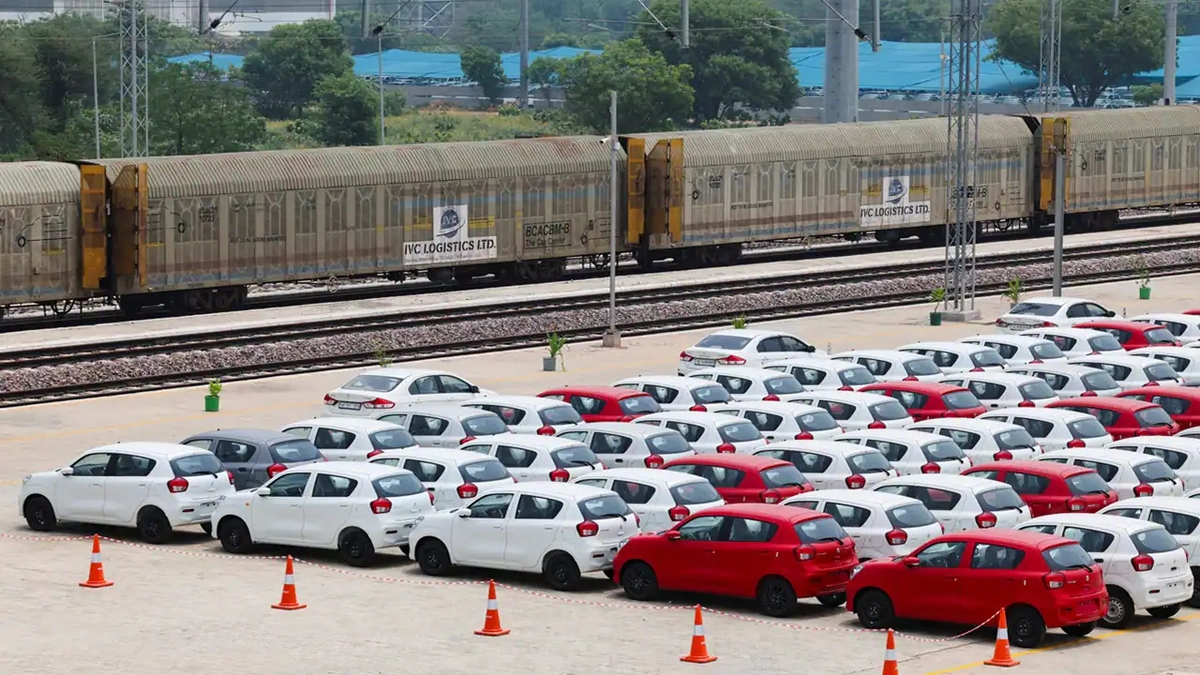
The numbers are in, and they’re telling a story: auto sales in India are booming, especially in the western region. SIAM (Society of Indian Automobile Manufacturers) dropped the bombshell, announcing that passenger vehicle (PV) sales have crossed the 1 million mark in Q2. But here’s the thing – it’s not just about the numbers. It’s about why this is happening, what it means for you, and what the future holds for the Indian automotive landscape. Let’s dive deep, shall we?
Decoding the Western India Auto Surge | Why Now?
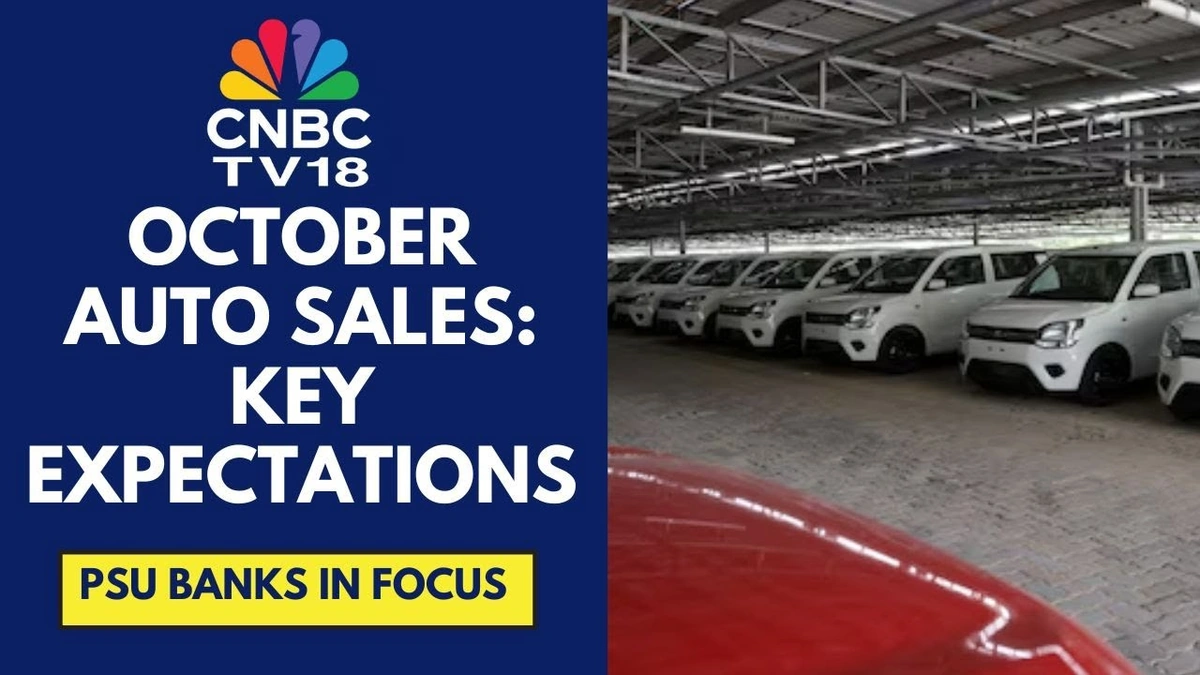
So, why is western India leading this charge? A few key factors are at play. Firstly, economic prosperity in states like Maharashtra and Gujarat is a major driver. People have more disposable income, and they’re choosing to invest in personal mobility. This isn’t just about luxury cars; it’s about families upgrading from two-wheelers to their first car, or individuals seeking the convenience and safety of owning a vehicle. The growth in disposable income is directly correlated to car sales.
Secondly, infrastructure development is playing a crucial role. Improved road networks and connectivity are making it easier and more appealing to own and drive a car. Think about it – shorter commute times, smoother journeys, and access to previously inaccessible areas – all these factors contribute to the desire for a personal vehicle. And the government’s push for infrastructure projects is only going to amplify this trend.
Thirdly, let’s not underestimate the ‘feel-good’ factor. Post-pandemic, there’s a renewed sense of wanting to explore, travel, and experience life. And what better way to do that than with your own car? This pent-up demand, coupled with attractive financing options, has created a perfect storm for passenger vehicle sales.
Impact on Manufacturers | Who’s Winning, Who’s Watching?
This auto sales boom is a mixed bag for manufacturers. Some are riding the wave, while others are scrambling to keep up. Companies with a strong presence in western India, offering a range of models across different price points, are naturally benefiting the most. Maruti Suzuki and Hyundai are obvious examples, but even newer players like Kia and MG are making significant inroads.
But here’s where it gets interesting. The competition is intensifying. Manufacturers are now focusing on localized production, introducing region-specific models, and tailoring their marketing strategies to resonate with the western Indian consumer. We’re seeing a shift from a one-size-fits-all approach to a more nuanced, targeted strategy. And this is good news for the consumer, as it means more choices, better features, and competitive pricing.
Furthermore, the push for electric vehicles (EVs) is gaining momentum. While EVs still constitute a small percentage of total sales, their adoption rate is steadily increasing, particularly in urban areas. The availability of charging infrastructure, government subsidies, and growing awareness about environmental benefits are all contributing to this shift. The shift to EV is causing the auto industry in India to grow at record rates .
The Ripple Effect | How the Auto Boom Impacts You
The Q2 auto boom isn’t just about car companies making money. It has a far-reaching impact on the entire economy. Think about it – increased demand for raw materials like steel and aluminum, more jobs in manufacturing and sales, and a boost to the transportation and logistics sectors. It’s a domino effect that touches almost every aspect of our lives.
For the average Indian, this means more opportunities, better infrastructure, and a higher standard of living. It also means more traffic congestion, increased pollution (at least in the short term), and the need for smarter urban planning. But overall, the positive effects outweigh the negative ones. A thriving auto industry is a sign of a healthy, growing economy.
But, let’s be real. Are these sales sustainable? Are we heading towards a saturation point? These are valid questions that need to be addressed. The industry needs to focus on long-term sustainability, promote responsible driving habits, and invest in eco-friendly technologies. And as consumers, we need to make informed choices, considering the environmental and social impact of our purchasing decisions. Let’s not forget about the rise in used car sales as well.
Navigating the Future | What Lies Ahead?
So, what does the future hold for the Indian automotive industry? I initially thought it would be more of the same, but after digging deeper, I realized it’s far more complex. Several key trends are shaping the landscape. Firstly, the rise of connected cars. We’re moving towards an era where cars are not just modes of transportation but also sophisticated tech platforms. Features like advanced driver-assistance systems (ADAS), over-the-air updates, and seamless integration with smartphones are becoming increasingly common. Secondly, the focus on safety is intensifying. Consumers are now demanding safer cars, and manufacturers are responding by incorporating advanced safety features like airbags, ABS, and electronic stability control. And thirdly, the shift towards shared mobility is gaining traction. Ride-sharing services like Ola and Uber are becoming increasingly popular, particularly in urban areas. This is leading to a change in consumer behavior, with some people opting to use these services instead of owning a car.
What fascinates me is how all these trends are converging to create a new automotive ecosystem. The lines between ownership, usage, and technology are blurring, and we’re entering a world where mobility is more seamless, sustainable, and personalized. And western India, with its economic dynamism and forward-thinking consumers, is poised to be at the forefront of this revolution. Don’t forget about the important role electric vehicle sales will play. You can compare the sales of the auto companies with reports such as from IBEF .
FAQ on Indian Auto Sales
What factors contributed to the Q2 auto sales boom in Western India?
Economic prosperity, infrastructure development, and pent-up demand post-pandemic drove the surge.
Which car manufacturers are benefiting the most from this auto boom?
Maruti Suzuki, Hyundai, Kia, and MG, among others, with a strong presence in the western region.
How is the rising popularity of electric vehicles impacting the auto industry?
EV adoption is steadily increasing, pushing manufacturers to invest in EV technology and infrastructure.
What are the potential challenges of this rapid growth in auto sales?
Traffic congestion, pollution, and the need for sustainable practices are key challenges.
What are the key trends shaping the future of the Indian automotive industry?
Connected cars, safety features, and shared mobility are shaping the future of the Indian automotive industry.
Are diesel car sales declining?
Yes, diesel car sales are declining due to the new emission standards.
In conclusion, the Western India auto sales surge isn’t just a fleeting trend; it’s a reflection of deeper economic and social changes. It’s a story of aspiration, innovation, and transformation. And it’s a story that’s still being written. Keep an eye on this space – the ride is just beginning!