
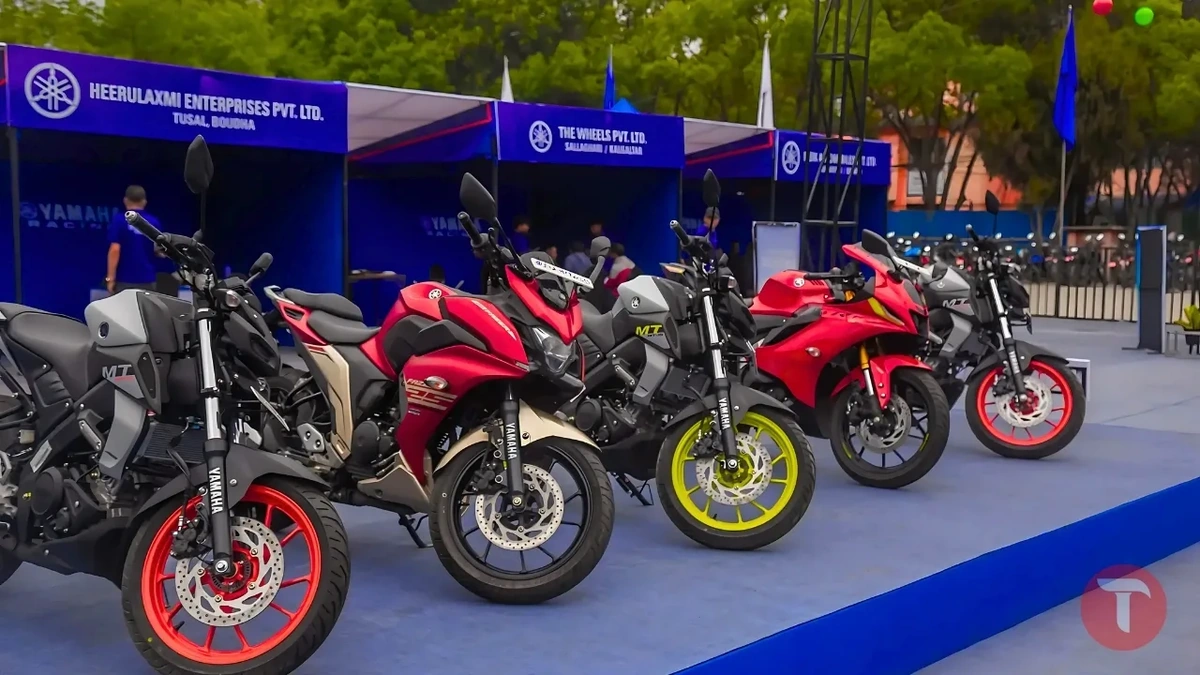
Let’s be honest, when we talk about the Indian auto sector , especially the two-wheeler segment, things can get a little… complicated. We’re not just talking about metal and machines; we’re talking about aspirations, affordability, and the dreams of millions of Indians. And right now, all eyes are on the potential GST reduction on two-wheelers. What fascinates me is not just if it will happen, but how it will reshape the entire landscape.
So, what’s the deal with GST , and why does everyone suddenly care about it when it comes to bikes and scooters? Well, buckle up, because we’re diving deep.
The GST Conundrum | Why Two-Wheelers Need a Break
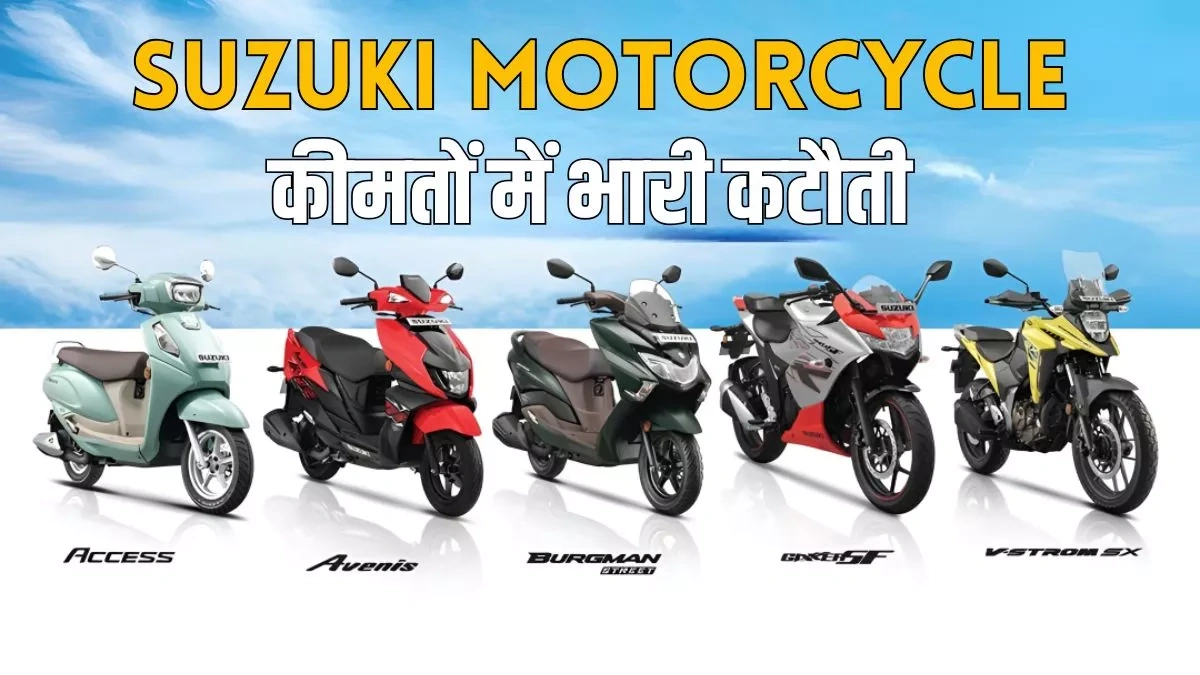
Here’s the thing: two-wheelers, unlike cars, aren’t always seen as luxury items in India. For a vast majority, they’re the lifeline – the essential mode of transport to get to work, school, or the market. But the current GST structure treats them as if they were high-end goods, slapping a hefty 28% tax on them. Add to that the state-level taxes and cesses, and you’re looking at a significant chunk of the on-road price being taxes. It’s a point often raised by industry experts, and it’s hard to argue with their logic.
But why now? Why is everyone talking about a potential GST cut now? Well, several factors are at play. The auto sector has been facing headwinds for a while, with fluctuating sales and rising input costs. A GST reduction could be just the shot in the arm it needs to get back on track. Moreover, with the government pushing for greater adoption of electric vehicles (EVs), making petrol-powered two-wheelers more affordable could act as a bridge, encouraging more people to switch to personal mobility before they go electric. What fascinates me is whether the government truly sees two-wheelers as essential rather than a luxury item.
How a GST Cut Could Change the Game
Let’s get down to brass tacks. How would a GST reduction actually impact the two-wheeler market ? The most obvious impact would be a decrease in the on-road price of bikes and scooters. This, in turn, could lead to increased sales, as more people find two-wheelers within their budget. A common mistake I see people make is underestimating the price sensitivity of the Indian consumer. A few thousand rupees can make all the difference.
But the impact goes beyond just sales numbers. A thriving two-wheeler industry supports countless jobs, from manufacturing and sales to servicing and repairs. It also boosts the ancillary industries that supply components and parts. A GST cut could create a ripple effect, benefiting the entire ecosystem. Moreover, increased sales would translate to higher tax revenue for the government in the long run. It’s a classic case of “lower tax rates, higher compliance”. According to the Society of Indian Automobile Manufacturers (SIAM) , a healthy auto sector is crucial for overall economic growth.
And it’s not just about the big players like Hero and Honda. A reduction in GST for two wheelers will also boost smaller, regional manufacturers, giving them a better chance to compete. I initially thought this was straightforward, but then I realized the potential for this to level the playing field for local brands. Speaking of competition, it will be interesting to see how manufacturers adjust their pricing strategies and model lineups in response to a potential GST change . It could trigger a wave of innovation and new product launches.
The Road Ahead | Challenges and Opportunities
Of course, a GST reduction isn’t a magic bullet. There are challenges to consider. For one, the government needs to balance the potential revenue loss with the benefits of increased sales and economic activity. There’s also the question of whether a GST cut would be enough to offset other factors affecting the auto sector, such as rising fuel prices and insurance costs. But let’s be honest , a little relief would be welcome.
What fascinates me is how the government will communicate any GST rate change . Clarity and transparency are key to ensuring that consumers and businesses understand the new rules and can adapt accordingly. Will there be a phased reduction, or a one-time cut? How will the government address concerns about potential price gouging by dealers? These are important questions that need to be answered.
The one thing you absolutely must consider is the potential for increased demand to strain supply chains. The auto sector has already been grappling with chip shortages and other disruptions. A sudden surge in demand could exacerbate these problems, leading to longer waiting times and frustrated customers. According to reports, the supply chain issues are gradually easing, but they’re not completely resolved yet. It’s best to keep checking industry news for the latest updates.
GST on Two-Wheelers : More Than Just a Tax Rate
Ultimately, the debate over GST on two-wheelers is about more than just a tax rate. It’s about recognizing the role that two-wheelers play in the lives of millions of Indians. It’s about supporting a vital industry that contributes significantly to the economy. And it’s about creating a level playing field that allows both established players and new entrants to thrive. Two-wheeler affordability is crucial.
So, what does all this mean for you, the average Indian who relies on a bike or scooter to get around? Well, it means that your voice matters. Whether you’re writing to your local MP, signing a petition, or simply spreading awareness on social media, you can play a part in shaping the future of the auto sector . And who knows, maybe one day soon, you’ll be able to buy that dream bike without breaking the bank. And the impact on electric vehicle adoption could be profound, as well. Here’s a link to Honda cheapest car in India: check it out here .
FAQ About GST and Two-Wheelers
Will GST reduction make two-wheelers significantly cheaper?
Potentially, yes. A reduction from 28% to, say, 18% could lower the on-road price by a noticeable amount, making them more affordable.
How does GST currently affect the price of two-wheelers?
Currently, two-wheelers are taxed at 28% GST, which is added to the ex-showroom price, along with other taxes and registration fees, to determine the final on-road price.
What other factors influence two-wheeler prices in India?
Besides GST , factors like fuel prices, insurance costs, raw material prices, and state-level taxes also play a significant role in determining the final price.
Could a GST cut boost the adoption of electric two-wheelers?
Indirectly, yes. By making petrol-powered two-wheelers more affordable, it could encourage more people to switch to personal mobility, making them more receptive to EVs in the future.
What is the current GST rate on automobiles in India?
The GST rate on automobiles , including most two-wheelers, is 28%. Some electric vehicles have a lower rate.
How often does the GST council review rates for different sectors?
The GST Council meets periodically to review and revise rates based on economic conditions and industry feedback. Decisions regarding rate changes are made during these meetings.
So, there you have it – a deep dive into the world of GST , two-wheelers, and the Indian auto sector . It’s a complex issue, but one with the potential to transform the lives of millions. What happens next is anyone’s guess, but one thing’s for sure: it’s going to be an interesting ride. A decision on reduction of GST on two wheelers will have great implications for the auto sector. Consider keeping up with the latest news to stay informed.