
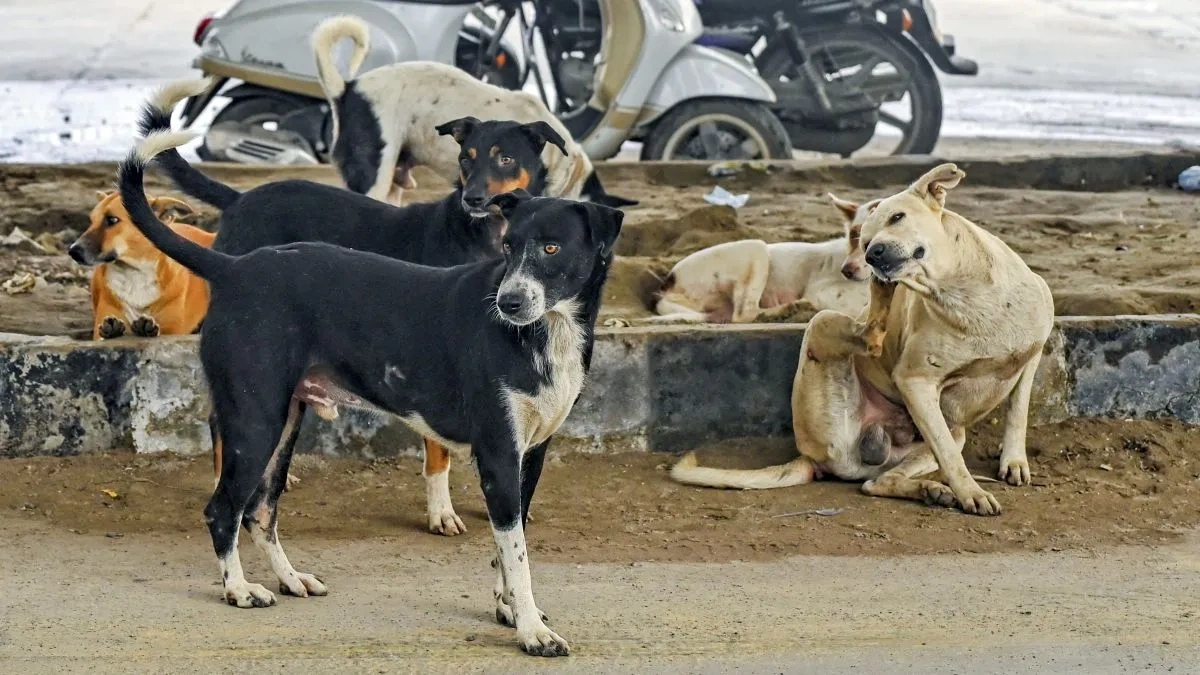
Okay, let’s be honest. When you hear “stray dogs removal,” what’s the first thing that pops into your head? Probably images of crowded streets, maybe a fleeting thought of animal cruelty, or perhaps even that time a pack of dogs chased you on your way home. But here’s the thing: the issue of stray dog management in India is far more complex – and important – than most people realize. It’s not just about public safety (though that’s a big part of it). It’s about public health, animal welfare, and even, believe it or not, economic stability. I initially thought this was straightforward too, but digging a little deeper reveals layers of challenges and opportunities we often miss.
Why Ignoring Street Dog Population is a Recipe for Disaster
So, why should you care? Well, for starters, uncontrolled street dog populations pose a serious threat of rabies. According to the World Health Organization ( WHO website ), India accounts for a staggering 36% of the world’s rabies deaths. And guess what? Most of those cases are linked to dog bites. It’s a scary statistic, right? But it’s not just about the fear of getting bitten. Rabies is a fatal disease if left untreated, and the cost of post-exposure prophylaxis (PEP) – the series of injections you need after a bite – can be a huge financial burden for many families, especially in rural areas. Preventing rabies through effective animal birth control programs isn’t just humane; it’s economically sound. And that’s the crucial link we often overlook.
But, beyond the rabies threat, there are also issues of hygiene and public nuisance. Packs of stray dogs can create unsanitary conditions, rummaging through garbage and spreading disease. They can also be a traffic hazard, causing accidents and injuries. And let’s not forget the emotional distress caused by dog bites, especially to children. A common mistake I see people make is underestimating the long-term psychological impact of such incidents. That fear can linger for years, affecting their quality of life.
The ABC (Animal Birth Control) Solution: More Than Just Sterilization
Okay, so we know the problem is serious. But what’s the solution? Well, the Animal Birth Control (ABC) program is widely recognized as the most humane and effective way to manage stray dog populations. The ABC program, as per guidelines from the Animal Welfare Board of India (AWBI), involves sterilizing and vaccinating stray dogs, and then releasing them back into their original territories. Seems simple enough, right? But here’s why it works: sterilization prevents further breeding, gradually reducing the number of stray dogs over time. Vaccination protects both the dogs and the community from rabies. And returning them to their territories prevents other unsterilized dogs from moving in and taking their place.
The one thing you absolutely must understand is that the ABC program is not a quick fix. It’s a long-term strategy that requires sustained effort and community involvement. It’s like tending a garden; you can’t just plant the seeds and expect a beautiful bloom overnight. It takes consistent watering, weeding, and care. And that’s where many programs fall short. They lack the resources, the infrastructure, or the community support to make a real difference. And let’s not forget, a crucial part of this is responsible pet ownership.
Why Community Involvement is Key to Effective Dog Population Control
So, what can you do? Well, a lot, actually. Community involvement is crucial to the success of any stray dog removal or management program. Support local animal welfare organizations. Participate in ABC programs. Educate your neighbors about responsible pet ownership. And, most importantly, be kind to animals. I initially thought this was straightforward, but then I realized… education is a huge part of it. Many people are simply unaware of the benefits of sterilization or the risks of rabies. They might have misconceptions about animal behavior or believe in outdated myths. And that’s where we can make a difference by sharing accurate information and promoting compassion.
But it’s not just about individual actions. We also need to advocate for stronger government policies and increased funding for animal welfare programs. We need to hold our elected officials accountable and demand that they prioritize the health and safety of both animals and humans. And let’s be honest, that’s where the real challenge lies – in overcoming bureaucratic inertia and political indifference. What fascinates me is how often this gets sidelined.
Addressing the Root Causes: Beyond Humane Dog Control
Look, humane dog control isn’t just about sterilizing dogs. It’s about addressing the root causes of the problem. That means tackling issues like garbage management, responsible pet ownership, and illegal breeding. It means creating a society where animals are valued and respected, not seen as a nuisance or a threat. According to the latest circular from the Animal Welfare Board of India ( AWBI website ), local authorities are responsible for implementing ABC programs and ensuring proper waste disposal. But often, these guidelines are not enforced, leading to a vicious cycle of breeding and abandonment.
And here’s the real kicker: the issue of stray dogs is often intertwined with social and economic inequalities. In many low-income communities, stray dogs are seen as a source of companionship and protection. People may not have the resources to care for pets properly, leading to abandonment and further breeding. Addressing these underlying issues is essential for creating a sustainable solution. It’s about empowering communities, providing access to veterinary care, and promoting responsible animal ownership. That’s the key to breaking the cycle.
If you’re interested in learning more about dog bite prevention, check out this helpful guide .
FAQ About Stray Dog Management
What if I get bitten by a stray dog?
Wash the wound thoroughly with soap and water for 15 minutes and seek immediate medical attention for rabies post-exposure prophylaxis (PEP).
How can I help stray dogs in my community?
Support local animal welfare organizations, participate in ABC programs, report injured or sick dogs to authorities, and educate others about responsible pet ownership.
What is the Animal Birth Control (ABC) program?
It’s a program that involves sterilizing and vaccinating stray dogs, and then releasing them back into their original territories.
Why can’t we just remove all the stray dogs?
Removing dogs without sterilization creates a vacuum, attracting more unsterilized dogs. It’s not a humane or effective solution.
What should I do if I see someone abusing a stray dog?
Report the incident to the local police or an animal welfare organization. Animal cruelty is a punishable offense.
So, next time you see a stray dog on the street, remember that it’s not just an individual animal; it’s a symptom of a much larger problem. A problem that requires our attention, our compassion, and our collective action. The solution involves a holistic approach, that cares for the welfare of stray animals, the health of human beings, and economic development.