

So, you’re thinking about joining the CNG bandwagon, huh? Smart move, given the ever-rising petrol prices in India. Two names keep popping up: the Tata Altroz CNG and the Maruti Suzuki Baleno CNG. Both promise fuel efficiency and lower running costs, but which one truly delivers the best value? Let’s dive into a head-to-head CNG hatchback comparison , going beyond the spec sheets to see what really matters on Indian roads. What fascinates me is how different these two cars are in personality despite serving a similar purpose.
Altroz CNG vs Baleno CNG | A Tale of Two Philosophies
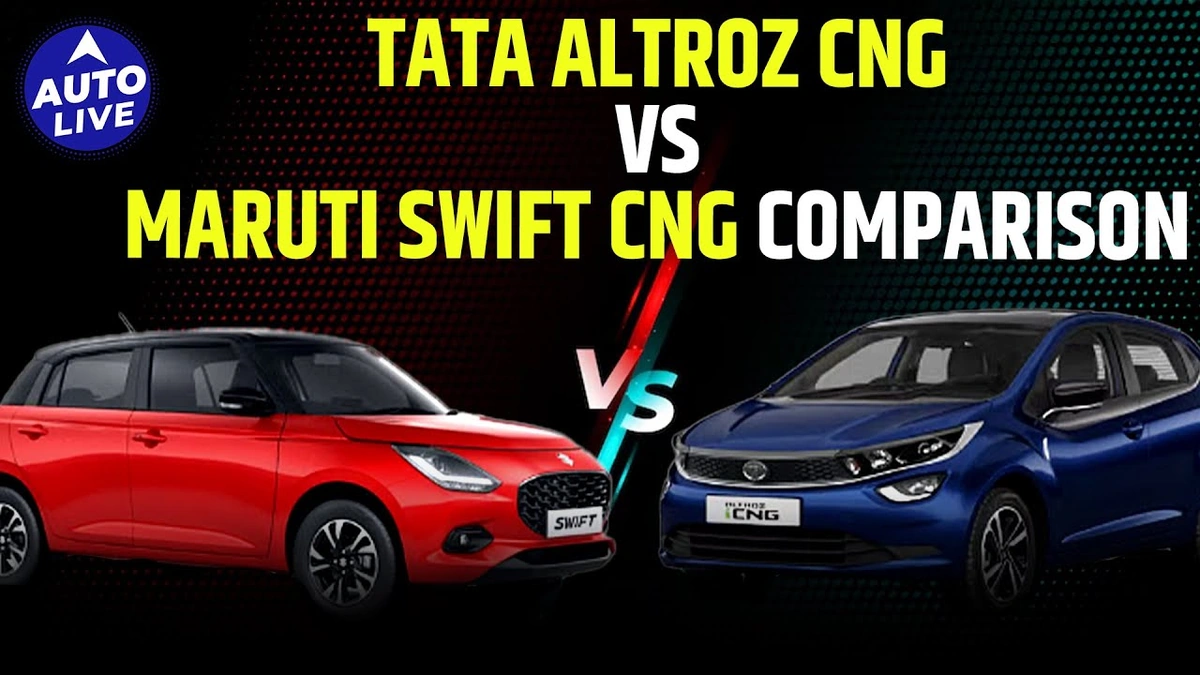
Here’s the thing: Tata and Maruti Suzuki approach the CNG hatchback market with distinct philosophies. The Altroz CNG, with its innovative twin-cylinder technology, aims for minimal compromise on boot space – a major concern for Indian families. The Baleno CNG, on the other hand, leverages Maruti’s established CNG infrastructure and reputation for reliability. It’s like choosing between a promising startup and a trusted blue-chip company. Which one aligns with your needs?
Let’s be honest, both cars have their strengths. The Altroz scores high on safety and build quality, while the Baleno shines in terms of fuel efficiency and after-sales service. But the devil, as always, is in the details. I initially thought this was straightforward, but then I realized that factors like driving experience, features, and even the CNG filling station network in your city play a crucial role.
The Heart of the Matter | Engine and Performance
Under the hood, both cars sport a 1.2-litre petrol engine, tweaked for CNG compatibility. The Altroz CNG produces around 73.5 PS of power in CNG mode, while the Baleno CNG churns out about 77.5 PS. On paper, the Baleno has a slight edge. But here’s why it matters: the real-world driving experience can vary significantly.
The Altroz, known for its solid build, might feel a tad heavier, impacting its initial pickup. The Baleno, being lighter, could feel more responsive in city traffic. And, the impact of CNG conversion on engineperformance is a real concern for many. It’s not just about the numbers; it’s about how the car feels when you’re navigating those chaotic Indian roads.
The CNG Kit in both the cars offer good mileage, but its important to have a professional installation to ensure longevity. One common mistake I see people make is neglecting regular servicing after switching to CNG. Remember, CNG burns hotter than petrol, potentially affecting engine components over time. Regular check-ups are crucial.
Features and Comfort | What Do You Really Need?
Let’s talk features. The Altroz CNG typically comes loaded with features like a touchscreen infotainment system, rear AC vents, and connected car tech. The Baleno CNG, while not as feature-rich in some variants, offers essentials like automatic climate control and keyless entry. But, it’s important to align features as per your budget and need. As per guidelines laid out in the information bulletin , cars equipped with more features are also more expensive to maintain.
Comfort is subjective, but here’s my take: the Altroz boasts a more spacious cabin, especially in the rear. The Baleno, while comfortable, might feel a bit cramped for taller passengers. What fascinates me is how manufacturers are increasingly focusing on rear passenger comfort, recognizing the importance of chauffeur-driven cars in the Indian market.
Remember the one thing you absolutely must double-check is the safety rating. The Altroz has a 5-star Global NCAP rating, while the Baleno, while improved, still lags behind. Safety should be a top priority, especially when you’re carrying your loved ones.
The Boot Space Conundrum and CNG Tank Capacity
Ah, the million-dollar question: how much luggage can you actually fit? Here’s why it matters so much to Indian buyers. We tend to travel with our entire lives packed into our cars. The Altroz CNG’s twin-cylinder setup frees up usable boot space compared to the Baleno CNG’s single, larger cylinder. I initially thought this was a minor detail, but for families who frequently travel long distances, every inch counts.
The Altroz CNG boasts 210 liters of boot space while the Baleno CNG offers only 55 liters. However, the CNG tank capacity on Altroz is 60 Litres while the Baleno CNG offers 55 Litres of capacity. According to the latest circular on the official Maruti Suzuki website , the company has focused more on fuel efficiency than luggage space.
Don’t underestimate the importance of the CNG filling station network in your area. Imagine driving miles out of your way just to refuel! Maruti Suzuki has a wider CNG network, but Tata is catching up. It’s best to keep checking the official fuel station websites and online forums for the latest updates.
Altroz CNG and Baleno CNG | Pricing and Running Costs
Let’s get down to brass tacks: pricing. The Altroz CNG might be slightly more expensive upfront, but it often comes with more features. The Baleno CNG, being a Maruti Suzuki, usually enjoys lower maintenance costs. This is why a detailed comparison of running costs is very important before purchasing. Don’t just look at the ex-showroom price; factor in insurance, registration, and potential maintenance costs over the long term.
A common mistake I see people make is only considering the initial price. Over a 5-year ownership period, factors like fuel efficiency, maintenance, and resale value can significantly impact the overall cost. Use online calculators to get a realistic estimate of the total cost of ownership .
Remember, resale value is another crucial aspect. Maruti Suzuki cars generally hold their value well in the used car market. However, the Altroz’s strong safety rating and build quality could also attract buyers down the line. So you need to consider everything before taking the plunge.
Conclusion | So, Which One Should You Buy?
The answer, as always, depends on your priorities. If safety and boot space are paramount, the Tata Altroz CNG is a strong contender. If you prioritize fuel efficiency, reliability, and a widespread service network, the Maruti Suzuki Baleno CNG might be a better fit. But, I’d recommend test driving both cars, talking to owners, and carefully weighing your needs before making a decision.
And remember, the best value isn’t just about the lowest price tag. It’s about finding the car that perfectly aligns with your lifestyle and driving needs. It is important to check the fuel efficiencyfigures to ensure smooth and hassle free experience. Consider your own needs and requirements. No matter which CNG hatchback you choose, you’re one step closer to saving money and reducing your carbon footprint.
Ultimately, what fascinates me most is how these two cars represent the evolving Indian automotive landscape. They cater to a growing demand for fuel-efficient, eco-friendly vehicles without compromising on features or comfort. And that’s a trend worth celebrating.
FAQ Section
What if I forget my CNG refilling schedule?
Most CNG stations send reminders via SMS or have apps that track your refilling schedule. Check with your local station for details.
Can I switch back to petrol if needed?
Yes, both cars allow you to switch between CNG and petrol modes on the fly.
What about the warranty on CNG components?
Both Tata and Maruti Suzuki offer warranties on the CNG kit and related components. Check the specific warranty terms at the time of purchase.
Will the CNG kit affect my car insurance?
Yes, you’ll need to update your insurance policy to reflect the CNG kit installation. It might slightly increase your premium.
Are CNG cars safe to drive?
Yes, modern CNG cars are designed with multiple safety features, including leak-proof tanks and pressure relief valves.
Where can I find reliable CNG installation services?
Always opt for authorized service centers for CNG kit installation to ensure proper fitment and safety.