
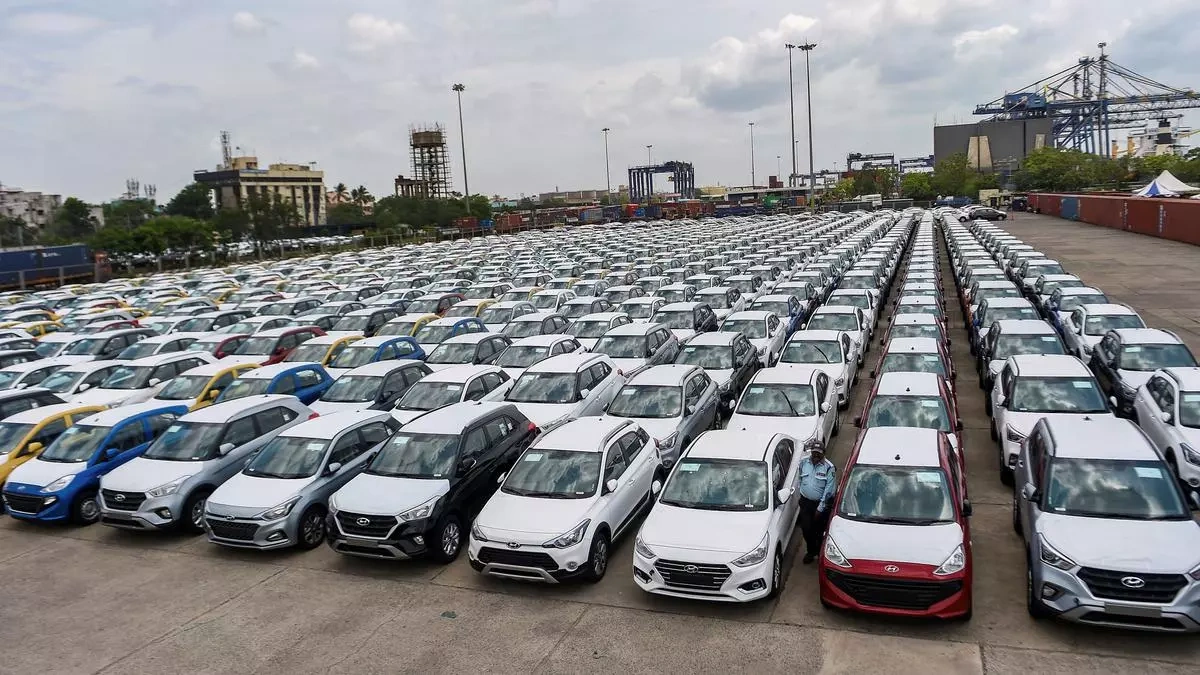
Wow. Just wow. 5.2 million vehicles sold during the festive season? That’s not just a number; it’s a statement. It’s a booming echo of India’s unwavering love affair with automobiles. But here’s the thing – it’s not just about the sheer volume. What fascinates me is why this happened. And more importantly, what does it mean for you, the average Indian consumer, and the Indian economy?
Decoding the Festive Auto Boom | More Than Just Discounts
Let’s be honest: discounts play a role. Who doesn’t love a good deal? But to chalk up this massive surge in auto retail sales solely to festive offers would be an oversimplification. We need to dig deeper. What I initially thought was just pent-up demand from the pandemic era has revealed itself to be something more nuanced, reflecting changing consumer behavior and economic factors.
One key factor, in my opinion, is the increased purchasing power in Tier 2 and Tier 3 cities. These regions are experiencing a rise in disposable income, coupled with improved infrastructure. Better roads, more financing options, and increased awareness – it’s a potent cocktail fueling demand. According to recent data, the growth in these regions far outpaces that of the major metros. This shift highlights a significant democratization of the automobile market in India.
But there’s something else at play, something that often gets overlooked. It’s the rising aspirations of young India. For many young professionals and entrepreneurs, owning a car or a scooter is no longer just about transportation; it’s about making a statement, expressing independence, and achieving a milestone. This emotional connection drives purchasing decisions, often outweighing purely practical considerations.
The Two-Wheeler Resurgence | Scooters are Cool Again?
While cars hog the limelight, let’s not forget the humble two-wheeler. The Federation of Automobile Dealers Associations (FADA) report clearly shows a robust performance in this segment too. And here’s where the story gets interesting. Electric scooters are gaining serious traction. I see them everywhere in my neighborhood, silently zipping past petrol pumps. This isn’t just a trend; it’s a paradigm shift. The younger generation is increasingly eco-conscious and sees electric vehicles as a viable and stylish alternative. According to industry experts, the EV two-wheeler segment witnessed exponential growth, capturing a significant market share during the festive period.
But, and this is a big but, range anxiety and charging infrastructure remain key concerns. While the government is pushing for the development of charging stations, it’s still a work in progress. A common mistake I see people make is not properly researching the real-world range of electric scooters before purchasing them. Make sure you check user reviews and independent tests before making your decision. Still, the trend is undeniable. Two-wheelers are seeing rising sales.
The SUV Craze | Bigger is Better?
Okay, let’s talk SUVs. It seems like everyone wants one, right? And the FADA report confirms this observation. Compact SUVs, in particular, are flying off the shelves. But why? I think it’s a combination of factors. Firstly, they offer a commanding driving position, which is highly valued in Indian traffic conditions. Secondly, they provide ample space for families and luggage, making them ideal for long road trips. Thirdly, they project an image of strength and sophistication. But don’t be fooled by the marketing hype. Not all SUVs are created equal. Some are essentially glorified hatchbacks with a slightly raised suspension.
Consider fuel efficiency, maintenance costs, and overall practicality before jumping on the SUV bandwagon. The Toyota Raize , for example, is a great option for those looking for a stylish and fuel-efficient compact SUV. The other issue, and it’s a serious one, is safety. Make sure your chosen SUV has adequate safety features like airbags, ABS, and electronic stability control.
The Supply Chain Saga | Is it Finally Over?
For the past couple of years, the automotive industry has been grappling with a global supply chain crisis, primarily due to semiconductor shortages. This has led to long waiting periods and frustrated customers. According to multiple sources, semiconductor availability has significantly improved recently. I initially thought this was the end of the problem, but then I realized that there are still other challenges, such as rising raw material costs and logistical bottlenecks. But the festive season sales figures suggest that the situation is indeed improving. Manufacturers are finally able to ramp up production and meet the surging demand. And you know what? That is good for everyone involved.
What Does This Mean For You? (The Consumer)
So, what’s the takeaway from all this number crunching and analysis? Well, for starters, it’s a great time to be in the market for a new vehicle. Increased competition among manufacturers means better deals and more choices. But don’t get carried away by the festive cheer. Do your research, compare prices, and negotiate hard. And remember, a car is a long-term investment. Think about your needs, your budget, and your lifestyle before making a decision. I personally think the best thing you can do is test drive multiple vehicles.
The other thing to keep in mind is the rising cost of ownership. Fuel prices are still high, and insurance premiums are steadily increasing. Factor these expenses into your budget to avoid any unpleasant surprises down the line. Also, consider the resale value of your vehicle. Some brands hold their value better than others. Finally, remember the importance of vehicle maintenance. Regular servicing and timely repairs will not only ensure your vehicle’s longevity but also improve its safety and fuel efficiency. Mahindra XUV700 review may help you with deciding which car to buy.
Conclusion | A Glimpse into the Future of Auto Retail
The record festive auto sales are more than just a fleeting statistic. They are a powerful indicator of the resilience of the Indian economy and the evolving aspirations of its people. The market is dynamic, and trends keep changing. As per the sources, consumers are showing increased purchasing power and are willing to spend on their dream vehicles. While challenges remain, the overall outlook for the Indian automotive industry is bright. The shift towards electric vehicles, the growing demand in Tier 2 and Tier 3 cities, and the increasing focus on safety and sustainability – these are the trends that will shape the future of auto retail in India. And you, the informed consumer, will be at the forefront of this exciting journey.
FAQ
What factors contributed to the record auto retail sales during the festive season?
Several factors played a role, including pent-up demand, festive discounts, increased purchasing power in Tier 2 and Tier 3 cities, and improved availability of vehicles due to easing supply chain constraints.
Are electric vehicles a significant contributor to the sales figures?
Yes, electric two-wheelers, in particular, have witnessed substantial growth and contributed significantly to the overall sales numbers.
Is it a good time to buy a new car?
Yes, increased competition among manufacturers and improving vehicle availability make it a favorable time for consumers to purchase new vehicles.
What are the key considerations before buying a new car?
Consider your needs, budget, lifestyle, fuel efficiency, safety features, maintenance costs, and resale value before making a purchase.
How do I find the right type of car for me?
Think about who will be using it, your price range, the safety standards, and what you need to use it for the most.
What is the FADA auto sales report?
The FADA report is a monthly publication by the Federation of Automobile Dealers Associations which compiles vehicle sales data from dealerships across India.